Mindfulness & Hypnosis for Chronic Illness Relief
Emily Johnson ·
Listen to this article~4 min
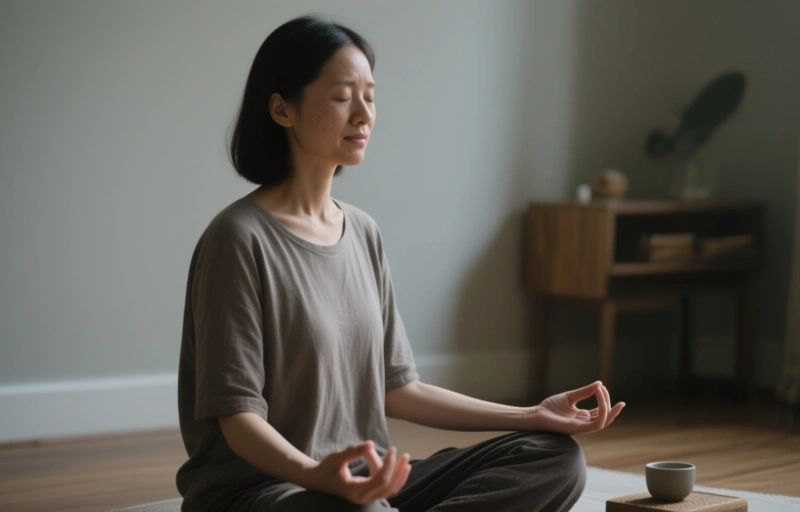
Mindfulness teacher Juliana Sloane shares her journey with chronic illness and how she used mindfulness and hypnosis to navigate unexpected challenges, offering practical tools for healing.
Living with a chronic illness can feel like you're navigating a storm without a compass. But what if the tools you need are already within reach? Mindfulness teacher and hypnotherapist Juliana Sloane knows this struggle firsthand. When an unexpected complex medical condition turned her world upside down, she had to lean deeper into the very skills she teaches her clients. Her story isn't just inspiring—it's a practical guide for anyone facing similar challenges.
### The Unexpected Teacher
Juliana Sloane built her career helping others find peace through mindfulness and hypnosis. Then life threw her a curveball. She was diagnosed with a chronic condition that demanded she practice what she preached. "I had to stop and truly listen to my body," she shares. This shift wasn't easy. It meant letting go of control and embracing uncertainty. But it also opened doors to healing she never expected.
Her journey reminds us that chronic illness isn't a dead end. It's a detour that can lead to deeper self-awareness. For professionals in mindful living, this is a powerful lesson: our own struggles can become our greatest teaching tools.
### How Mindfulness Helps
Mindfulness isn't about escaping pain. It's about changing your relationship with it. Juliana explains that by staying present with discomfort, you can reduce the mental suffering that often amplifies physical symptoms. Here's how it works:
- **Reduces stress hormones:** Chronic stress worsens inflammation. Mindfulness lowers cortisol levels.
- **Shifts perception:** Pain becomes less threatening when you observe it without judgment.
- **Builds resilience:** Regular practice strengthens your ability to bounce back from setbacks.
For Juliana, mindfulness meant sitting with fatigue instead of fighting it. She learned to say, "I'm tired right now, and that's okay." This simple acceptance freed up energy she'd wasted on resistance.
### The Role of Hypnosis
Hypnosis takes mindfulness a step further. It taps into your subconscious to reframe limiting beliefs. Juliana uses it to help clients break cycles of fear and hopelessness. For herself, she created custom scripts to manage pain and improve sleep.
> "Hypnosis isn't about losing control," she says. "It's about gaining access to parts of your mind that can support healing."
Research backs this up. Studies show hypnosis can reduce chronic pain by up to 42 percent in some people. It's not a cure-all, but it's a powerful complement to medical treatment.
### Practical Steps You Can Try
Ready to apply these tools? Start small. Here are three simple practices:
- **Body scan meditation:** Lie down and mentally scan each part of your body from head to toe. Notice sensations without trying to change them. Spend 5 to 10 minutes daily.
- **Self-hypnosis for sleep:** Before bed, repeat a calming phrase like "I am safe and relaxed." Pair it with slow, deep breaths.
- **Mindful movement:** Try gentle stretching or walking while focusing on each step. This can be done even from a chair.
Juliana emphasizes consistency over intensity. "Even 2 minutes of mindfulness a day makes a difference," she says. For chronic illness warriors, that's a manageable goal.
### A Deeper Connection
What Juliana's story really highlights is the power of vulnerability. As a coach, she felt pressure to have it all together. But her illness taught her that authenticity heals. When she shared her struggles with clients, they opened up more. Her own journey became a bridge.
This matters for mindful living professionals. Your personal experiences—even the messy ones—can deepen your empathy and effectiveness. Don't hide them. Use them.
### Moving Forward
Chronic illness doesn't have to define you. With mindfulness and hypnosis, you can navigate its challenges with grace. Juliana Sloane's story is proof that even in the hardest times, there's room for growth. The key is to keep showing up for yourself, one breath at a time.
If you're a professional in this field, consider how you can integrate these tools into your own practice. Start with your own healing, and watch how it transforms your work. After all, the best teachers are those who walk the walk.