Mindfulness & Hypnosis for Chronic Illness Relief
Emily Johnson ·
Listen to this article~5 min
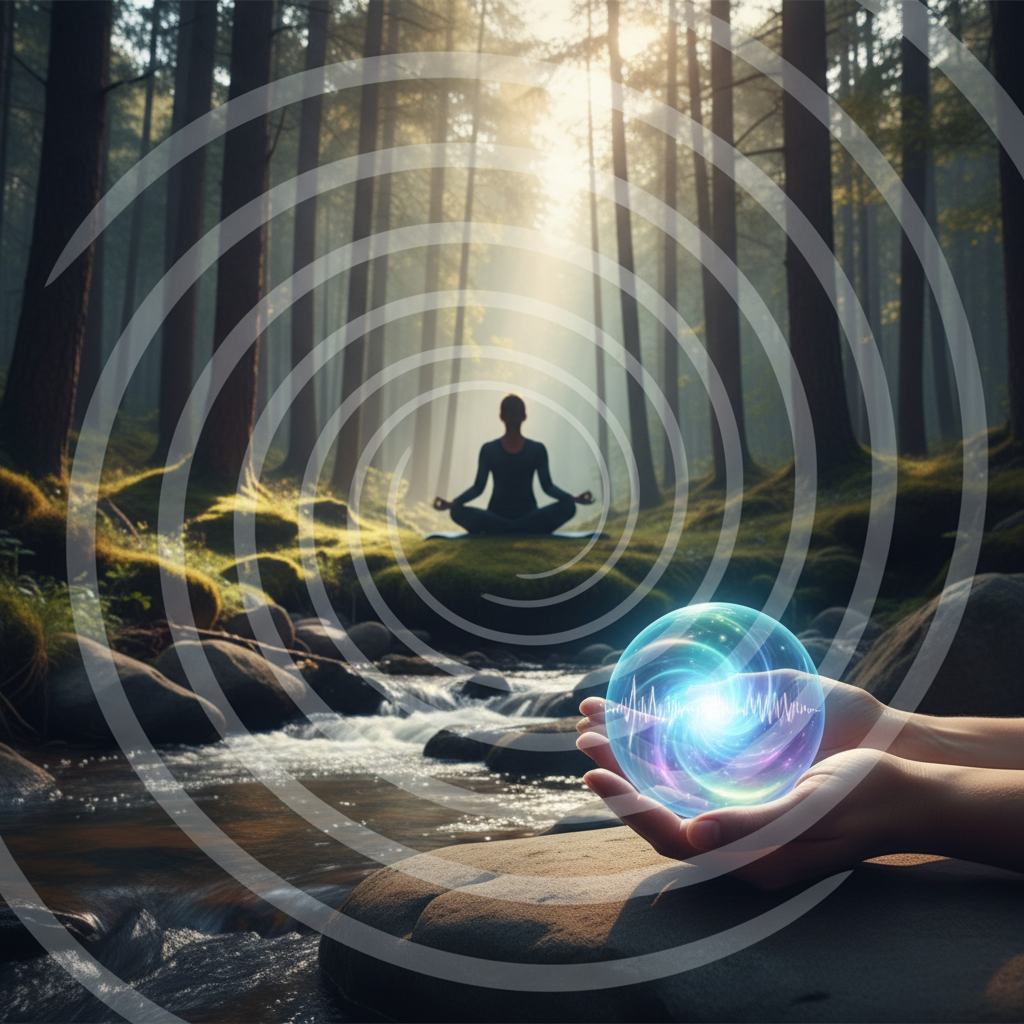
Mindfulness teacher and hypnotherapist Juliana Sloane shares her journey with an unexpected complex medical condition—and how leaning into mindfulness and hypnosis transformed her experience. Discover practical tools for navigating chronic illness with greater ease and self-compassion.
When life throws you a curveball, sometimes the tools you've been teaching others become your own lifeline. That's exactly what happened to mindfulness teacher and hypnotherapist Juliana Sloane. She was living her life, helping clients find peace and clarity, when an unexpected complex medical condition turned everything upside down. Suddenly, she had to lean into the very skills she had been offering others for years—and what she discovered was nothing short of transformative.
### The Unexpected Teacher
Juliana's journey began like many of ours: with a diagnosis that felt like a punch to the gut. Chronic illness doesn't ask for permission, and it doesn't care about your plans. But here's the thing—when you've spent years practicing mindfulness and hypnosis, you have a unique toolkit at your disposal. Juliana found herself using these techniques not as a distant guide, but as a fellow traveler on a tough road.
- **Mindfulness** helped her stay present with her symptoms without getting swallowed by fear.
- **Hypnosis** allowed her to reframe pain and anxiety into manageable experiences.
- **Self-compassion** became her anchor when frustration hit.
It's one thing to teach these practices in a calm office setting. It's another to apply them when your body feels like it's betraying you. Juliana's story is a reminder that these tools aren't just for the peaceful moments—they're for the messy, hard ones too.
### Practical Tools You Can Use Today
If you're navigating chronic illness yourself, or supporting someone who is, here are a few simple techniques inspired by Juliana's experience. They won't cure everything, but they can help you find a little more ease in your day.
#### Breath as an Anchor
When pain or anxiety spikes, your breath is always there. Try this: inhale for four counts, hold for four, exhale for four. It's a reset button for your nervous system. Do it for just one minute, and notice how your body responds.
#### Hypnosis for Pain Reframing
Hypnosis isn't about losing control—it's about gaining it. You can use self-hypnosis to shift how you perceive discomfort. Imagine wrapping the pain in a soft, warm light, or turning down its volume like a dial. It sounds simple, but with practice, it can change your relationship with your symptoms.
#### The Power of a Pause
Mindfulness doesn't have to mean sitting still for an hour. It can be a three-second pause before you react to a tough moment. Juliana found that these tiny pauses created space for her to choose a kinder response to herself.
> "Chronic illness taught me that I'm not my symptoms. I'm the awareness that holds them." — Juliana Sloane
This quote captures the heart of her journey. When you can separate your identity from your illness, you reclaim a sense of agency. You're not just a patient; you're a person navigating a challenge with grace.
### Why This Matters for Professionals
For mindfulness and well-being professionals in the United States, Juliana's story is a powerful case study. It shows that the tools we teach are resilient. They work across contexts—from a quiet meditation studio to a hospital bed. If you're working with clients who have chronic conditions, consider integrating hypnosis into your practice. It's a complementary approach that can deepen the impact of mindfulness.
- **Build trust** by sharing your own learning journey.
- **Adapt techniques** to fit each person's unique situation.
- **Stay humble**—remember that you're a guide, not a savior.
Juliana's experience is a testament to the idea that our greatest teachers are often our own struggles. By leaning into mindfulness and hypnosis, she didn't just survive her health crisis—she grew through it. And that growth is something she can now offer her clients with even more authenticity.
### Final Thoughts
You don't need to have a chronic illness to benefit from these tools. But if you do, know that you're not alone. Juliana's story is a beacon of hope: you can navigate this path with more ease, more self-compassion, and maybe even a little more peace. Start small. Breathe. Pause. And remember that the skills you're building today will serve you tomorrow.
*This article was written by Emily Johnson, Mindfulness & Well-being Coach, Ohmag UK Contributor.*