Mindfulness for Emotional Sobriety in Recovery
Amanda Wilson ·
Listen to this article~3 min
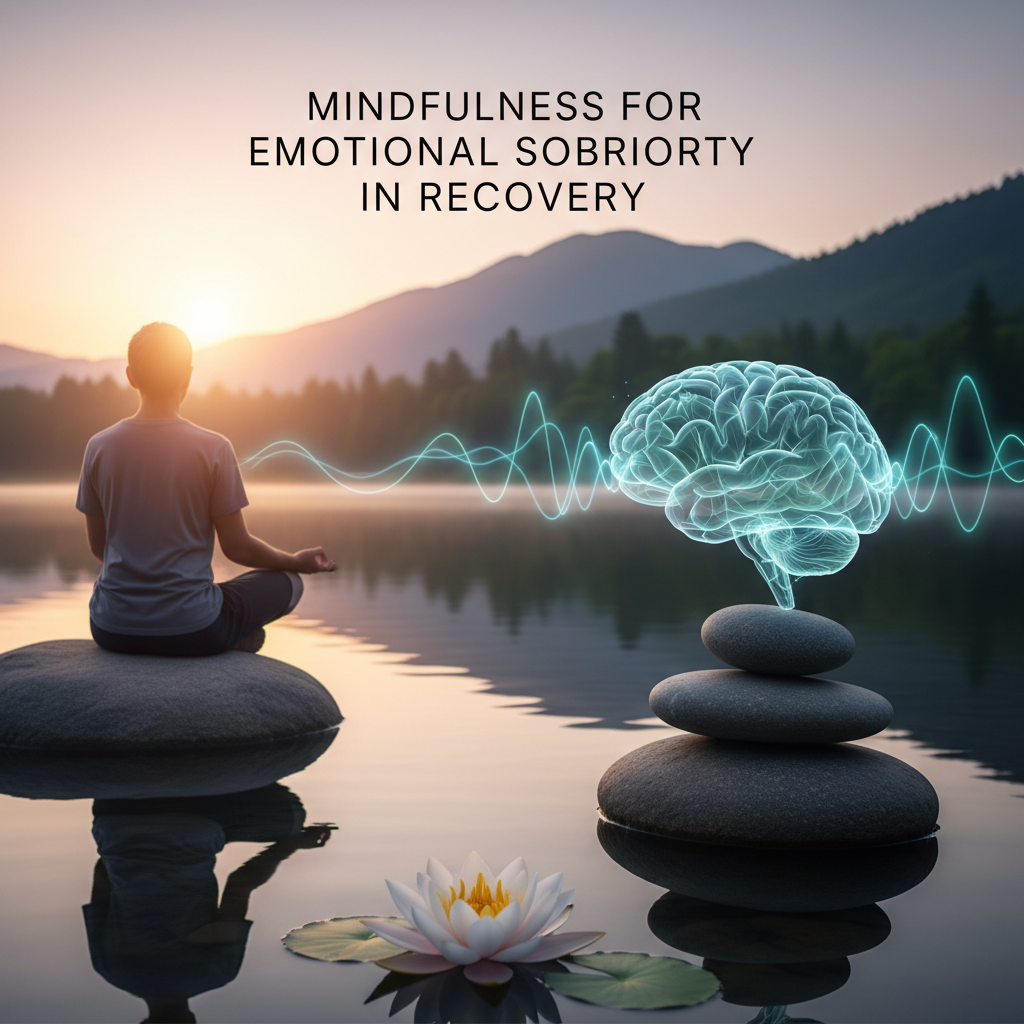
When people hear the term "sobriety," they often assume it's just about stopping an addictive behavior. But as recovery coach Stephanie Hazard observes, sobriety is a practice that extends to every area of our lives, including our emotions—and can hold the key to long-term healing.
When people hear the term "sobriety," they often assume it's just about stopping an addictive behavior. But as recovery coach Stephanie Hazard observes, sobriety is a practice that extends to every area of our lives, including our emotions—and can hold the key to long-term healing.
### What Is Emotional Sobriety?
Emotional sobriety goes beyond just abstaining from substances or behaviors. It's about learning to navigate your feelings without being controlled by them. Think of it as building a new relationship with your emotions—one where you don't automatically reach for a drink, a pill, or a distraction when things get tough. Instead, you sit with the discomfort, breathe through it, and let it pass. It's not easy, but it's incredibly freeing.
### Why Mindfulness Matters
Mindfulness is the practice of paying attention to the present moment without judgment. For anyone in recovery, this can be a game-changer. When you're mindful, you're not living in the past (where regrets live) or the future (where anxiety thrives). You're right here, right now, dealing with what's actually in front of you. That's powerful when cravings or emotional triggers show up.
Here are a few ways mindfulness supports emotional sobriety:
- **It builds self-awareness.** You start noticing patterns in your thoughts and feelings before they escalate.
- **It reduces reactivity.** Instead of snapping or numbing out, you learn to pause and choose a healthier response.
- **It strengthens resilience.** Over time, you become more comfortable with discomfort, knowing it won't last forever.
### Practical Steps to Get Started
You don't need to sit on a meditation cushion for hours to benefit from mindfulness. Start small. Try this: when you feel a strong emotion—anger, sadness, or even excitement—pause for five seconds. Take a deep breath. Notice where you feel it in your body. Is your chest tight? Are your shoulders tense? Just observe. Don't try to fix it. That simple act is mindfulness in action.
Another technique is the "STOP" method:
- **S**top what you're doing.
- **T**ake a breath.
- **O**bserve your thoughts and feelings.
- **P**roceed with intention, not impulse.
### The Long-Term Benefits
Emotional sobriety isn't a destination; it's a daily practice. Some days you'll feel like you've got it all figured out. Other days, you'll stumble. That's okay. The goal isn't perfection—it's progress. Over time, mindfulness helps you build a life where you're not just surviving, but thriving. You'll find yourself responding to challenges with clarity and compassion, rather than fear or avoidance.
As Stephanie Hazard reminds us, sobriety touches every part of our lives. It's about healing the whole person, not just the addiction. And mindfulness is one of the most accessible tools we have to get there.