Mindfulness for Emotional Sobriety in Recovery
Evelyn Reed ·
Listen to this article~3 min

When people hear the term “sobriety,” they often assume it’s just about stopping an addictive behavior. But as recovery coach Stephanie Hazard observes, sobriety is a practice that extends to every area of our lives, including our emotions—and can hold the key to long-term healing.
When people hear the term "sobriety," they often assume it's just about stopping an addictive behavior. But as recovery coach Stephanie Hazard observes, sobriety is a practice that extends to every area of our lives, including our emotions—and can hold the key to long-term healing.
### What Is Emotional Sobriety?
Emotional sobriety means learning to navigate your feelings without numbing or escaping them. It's about staying present with discomfort, joy, anger, or sadness—without reaching for a drink, a drug, or any other compulsive behavior. For many in recovery, this is the hardest part. You might stop using substances, but your emotional patterns can still trigger relapse.
Think of it like this: physical sobriety is like stopping a car from moving forward. Emotional sobriety is learning to steer that car safely through traffic. Both are essential.
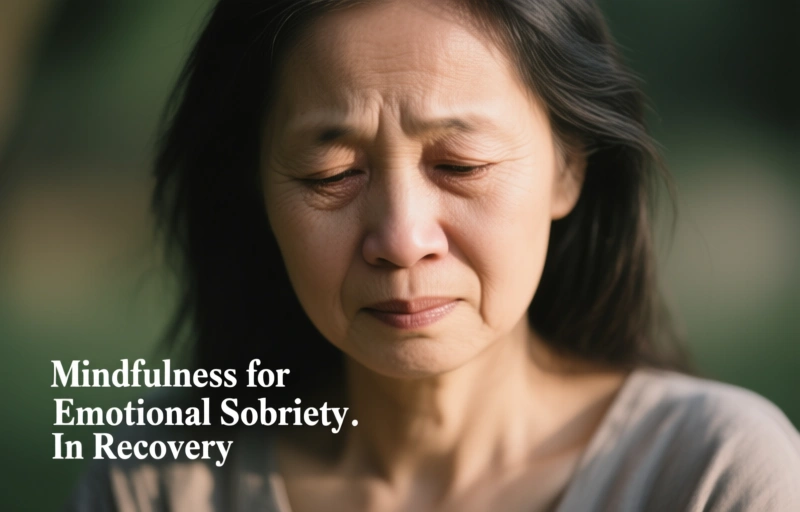
### How Mindfulness Helps
Mindfulness is the practice of paying attention to the present moment without judgment. It sounds simple, but it's powerful. Here are a few ways it supports emotional sobriety:
- **It creates a pause.** When you feel a craving or a strong emotion, mindfulness gives you a moment to choose how to respond instead of reacting automatically.
- **It reduces shame.** Shame often drives addiction. Mindfulness helps you observe your thoughts and feelings with kindness, not criticism.
- **It builds resilience.** By sitting with uncomfortable emotions in small doses, you get stronger at handling life's ups and downs.
### Practical Steps to Start
You don't need to meditate for hours. Start small. Try this:
1. **Take three deep breaths** when you feel triggered. Focus on the air moving in and out.
2. **Notice one thing** in your environment—a sound, a texture, a color. This grounds you in the present.
3. **Label your emotion.** Say to yourself, "This is anger," or "This is anxiety." Labeling reduces its power.
### Why It Matters for Long-Term Healing
Recovery isn't just about stopping a behavior. It's about building a life you don't want to escape from. Emotional sobriety helps you feel your feelings fully, connect with others authentically, and find meaning beyond addiction. Mindfulness is the tool that makes that possible.
As you practice, you'll notice small shifts. A craving passes faster. A tough conversation feels less overwhelming. You start trusting yourself more. That's the real work of recovery—and mindfulness is your steady companion along the way.