Mindfulness for Emotional Sobriety in Recovery
Evelyn Reed ·
Listen to this article~5 min
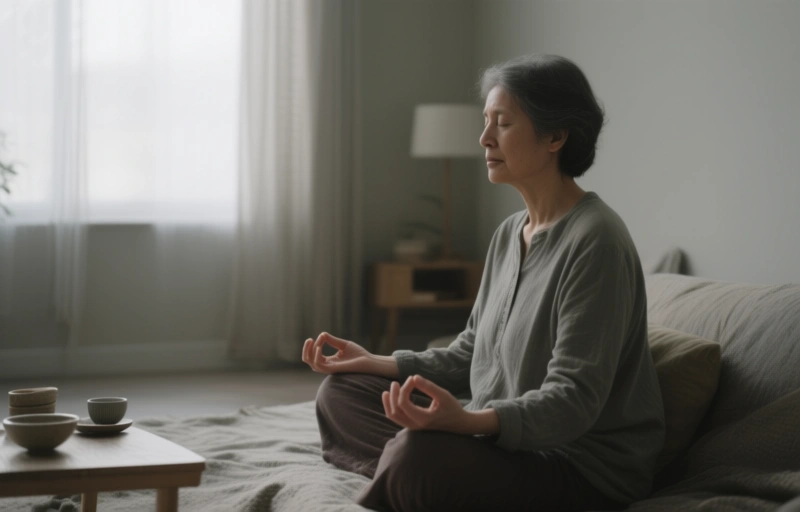
When people hear the term "sobriety," they often assume it's just about stopping an addictive behavior. But as recovery coach Stephanie Hazard observes, sobriety extends to every area of our lives, including our emotions—and can hold the key to long-term healing.
When people hear the term "sobriety," they often assume it's just about stopping an addictive behavior. But as recovery coach Stephanie Hazard observes, sobriety is a practice that extends to every area of our lives, including our emotions—and can hold the key to long-term healing.
You've probably heard the saying that recovery isn't just about quitting a substance or behavior. It's about building a new life. And part of that new life involves learning how to handle your feelings without turning to old coping mechanisms. That's where emotional sobriety comes in.
### What Is Emotional Sobriety?
Emotional sobriety is the ability to manage your emotions in a healthy, balanced way. It means you don't get swept away by anger, fear, or sadness. You don't numb out or act out. Instead, you stay present with what you're feeling, even when it's uncomfortable.
Recovery coach Stephanie Hazard puts it simply: "Sobriety isn't just about what you stop doing. It's about how you start living." And that living includes your inner world.
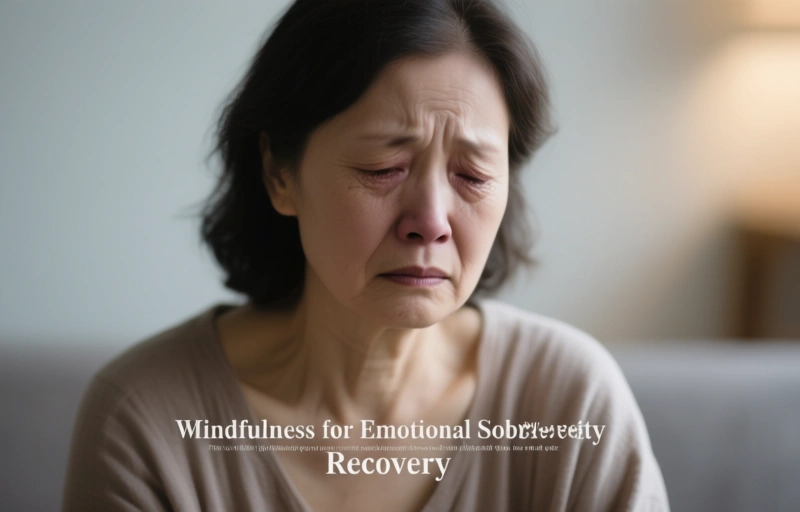
### How Mindfulness Supports Emotional Sobriety
Mindfulness is a powerful tool for anyone in recovery. It teaches you to notice your thoughts and feelings without judging them or reacting impulsively. Here's how it helps:
- **You learn to pause.** Instead of reaching for a drink, a drug, or another addictive behavior when you're stressed, you take a breath. That pause gives you a choice.
- **You build self-awareness.** You start to see patterns in your emotions. Maybe you notice that certain people or situations trigger cravings. Once you see the pattern, you can work with it.
- **You develop compassion.** Mindfulness isn't about being perfect. It's about being kind to yourself when you struggle. That kindness can reduce shame, which is a huge trigger for relapse.
### Practical Mindfulness Practices for Recovery
You don't need to sit on a cushion for hours to benefit from mindfulness. Small, consistent practices can make a big difference.
- **Morning check-in:** Before you get out of bed, take three deep breaths. Ask yourself, "What am I feeling right now?" Just name the emotion—no need to fix it.
- **Walking meditation:** As you walk to your car or around the block, pay attention to the sensation of your feet hitting the ground. Notice the air on your skin. This brings you into the present moment.
- **Three-minute breathing space:** Set a timer for three minutes. Breathe naturally and count each exhale. When your mind wanders, gently bring it back to the breath.
### Why Emotional Sobriety Matters for Long-Term Healing
Many people in recovery relapse not because they crave the substance, but because they can't handle a difficult emotion. They feel angry, lonely, or scared, and they don't know what else to do. Emotional sobriety gives you a different path.
Instead of running from your feelings, you learn to sit with them. You realize that emotions come and go like weather. They don't have to control you. This is a huge shift.
Stephanie Hazard shares a quote from her own mentor: "You can't heal what you don't feel." And mindfulness helps you feel it all—the good, the bad, and the messy.
### Building a Supportive Routine
Emotional sobriety doesn't happen overnight. It's a practice you build day by day. Here are a few tips to get started:
- **Journal for five minutes each evening.** Write down one emotion you felt today and how you handled it.
- **Connect with a supportive community.** Whether it's a 12-step meeting, a therapy group, or an online forum, sharing your experience helps.
- **Be patient with yourself.** Some days will be harder than others. That's okay. Progress, not perfection.
### Final Thoughts
Recovery is a journey, and emotional sobriety is a key part of that journey. Mindfulness offers a gentle, practical way to develop the skills you need to stay grounded, even in tough times. You don't have to do it alone, and you don't have to be perfect. Just show up, breathe, and keep going.