Mindfulness for Emotional Sobriety in Recovery
Evelyn Reed ·
Listen to this article~3 min
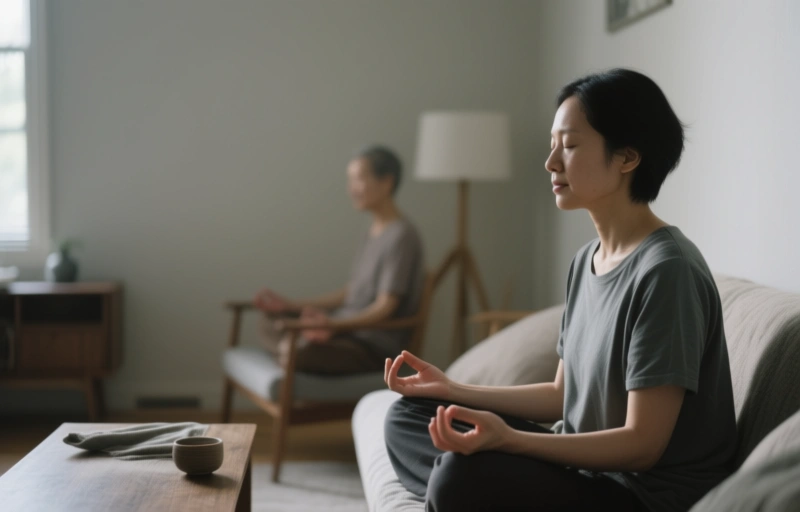
When people hear the term "sobriety," they often assume it's just about stopping an addictive behavior. But as recovery coach Stephanie Hazard observes, sobriety is a practice that extends to every area of our lives, including our emotions—and can hold the key to long-term healing.
When people hear the term "sobriety," they often assume it's just about stopping an addictive behavior. But as recovery coach Stephanie Hazard observes, sobriety is a practice that extends to every area of our lives, including our emotions—and can hold the key to long-term healing.
We tend to think of addiction recovery as a black-and-white process: you quit the substance or behavior, and you're done. But that's not how it works. Emotional sobriety is about learning to sit with your feelings without numbing them or acting out. It's the quiet, steady work of staying present even when life gets messy.
### What Is Emotional Sobriety?
Emotional sobriety means you can feel anger, sadness, or anxiety without reaching for a drink, a pill, or even your phone to escape. It's not about being happy all the time. It's about being okay with being uncomfortable. Think of it like building a muscle—the more you practice, the stronger you get.
Recovery expert Stephanie Hazard puts it this way: "Sobriety isn't just about what you stop doing. It's about what you start doing with your inner world." That shift in perspective can make all the difference.

### How Mindfulness Fits In
Mindfulness is the practice of paying attention to the present moment without judgment. It sounds simple, but it's surprisingly hard. When you're in recovery, your brain has been wired to seek instant relief. Mindfulness teaches you to pause before reacting.
Here's a quick breakdown of how mindfulness supports emotional sobriety:
- **It builds awareness.** You notice the urge before it takes over.
- **It creates space.** Instead of acting on impulse, you breathe and choose.
- **It reduces shame.** You learn to observe your thoughts without labeling them as "good" or "bad."
### Practical Steps to Get Started
You don't need to meditate for hours to benefit. Start small. Try this:
1. **One-minute check-in.** Close your eyes and take three deep breaths. Notice what you're feeling without trying to change it.
2. **Label the emotion.** Say to yourself, "This is anger" or "This is sadness." Naming it takes away some of its power.
3. **Use your senses.** If you're overwhelmed, name five things you can see, four you can touch, three you can hear, two you can smell, and one you can taste. This grounds you in the now.
### Why This Matters for Long-Term Healing
Relapse often doesn't start with the substance. It starts with an emotion that feels too big to handle. Mindfulness gives you a tool to handle those big feelings. It's like having an emotional anchor in a storm.
Remember: emotional sobriety isn't about perfection. You'll still have bad days. But with mindfulness, you can ride those waves without drowning. And that's real freedom.
### Final Thoughts
If you're in recovery or supporting someone who is, know that emotional sobriety is a journey, not a destination. Mindfulness is one of the most accessible tools you can use. Start today with just one mindful breath. It might change everything.
*This article was written by Evelyn Reed, Mindfulness & Well-being Consultant.*