Mindfulness for Emotional Sobriety in Recovery
Evelyn Reed ·
Listen to this article~4 min
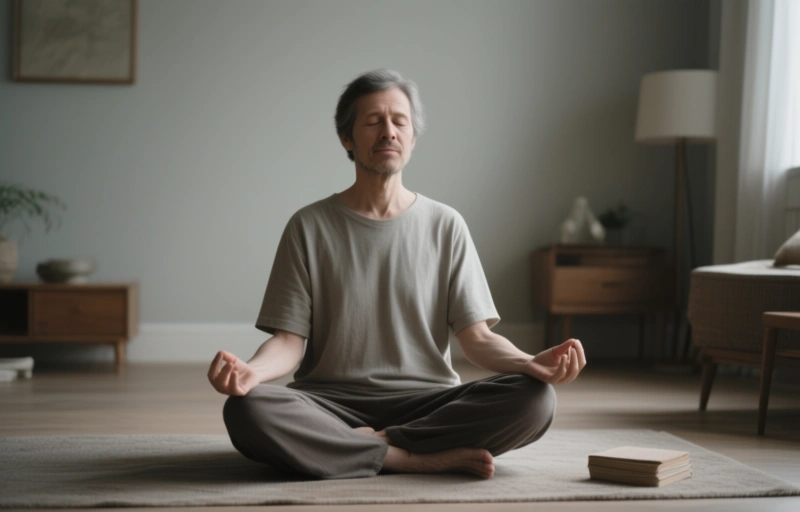
Emotional sobriety goes beyond stopping addictive behaviors. Discover how mindfulness helps you manage feelings, build resilience, and support long-term healing in recovery.
When people hear the term “sobriety,” they often assume it’s just about stopping an addictive behavior. But there’s so much more to it. As recovery coach Stephanie Hazard observes, sobriety is a practice that extends to every area of our lives, including our emotions—and can hold the key to long-term healing.
Emotional sobriety isn’t about being happy all the time. It’s about learning to sit with your feelings without reacting impulsively. Think of it as building a new relationship with yourself, one where you don’t need a substance or behavior to numb out.
### What Is Emotional Sobriety?
Emotional sobriety means you can feel anger, sadness, or anxiety without reaching for a drink, a shopping spree, or your phone. It’s the ability to pause and choose a healthier response. This skill takes practice, but mindfulness makes it possible.
Here’s a simple way to think about it: Your emotions are like waves. They rise, peak, and fall. Mindfulness teaches you to ride those waves instead of getting pulled under. You don’t control the wave, but you can learn to surf it.
### Why Mindfulness Matters in Recovery
Mindfulness helps you notice your triggers before they take over. When you’re mindful, you catch that urge to escape a difficult feeling. You see it for what it is—a temporary sensation—and you let it pass.
Let’s break down how mindfulness supports emotional sobriety:
- **It builds self-awareness.** You start to recognize patterns in your thoughts and emotions. Maybe you notice you always crave a cigarette when you’re bored. That awareness is the first step to change.
- **It reduces reactivity.** Instead of snapping at someone or reaching for a drink, you take a breath. That pause gives you space to choose a healthier action.
- **It strengthens your resilience.** Over time, you become less afraid of uncomfortable feelings. You know they won’t last forever, so you stop running from them.
### Practical Mindfulness Techniques for Emotional Sobriety
You don’t need to meditate for hours to see results. Start small. Try these techniques for just a few minutes each day.
**1. The 5-4-3-2-1 Grounding Exercise**
When you feel overwhelmed, pause and notice:
- 5 things you can see around you
- 4 things you can touch (feel the fabric of your shirt, the floor under your feet)
- 3 things you can hear (a fan, traffic, your own breath)
- 2 things you can smell (coffee, fresh air)
- 1 thing you can taste (a sip of water, a mint)
This brings you back to the present moment, away from emotional spirals.
**2. The Three-Breath Check-In**
Set a reminder on your phone to pause three times a day. Take three slow, deep breaths. Notice how your body feels. Are your shoulders tight? Is your jaw clenched? This simple check-in can prevent emotional buildup.
**3. Labeling Emotions**
When you feel a strong emotion, give it a name. Say to yourself, “This is sadness,” or “This is frustration.” Naming it creates a little distance, so you can observe it without being consumed by it.
### The Role of Community in Emotional Sobriety
Recovery isn’t a solo journey. Having a supportive community—whether it’s a 12-step group, a therapist, or trusted friends—makes a huge difference. Mindfulness can even help you connect more deeply with others. When you’re fully present in a conversation, you listen better and respond with more compassion.
### Final Thoughts
Emotional sobriety is a lifelong practice, not a destination. Some days you’ll ride the waves gracefully. Other days you’ll wipe out. That’s okay. What matters is that you keep showing up for yourself.
Mindfulness gives you the tools to navigate the messy, beautiful, and sometimes painful range of human emotions. It reminds you that you’re not your feelings—you’re the one watching them. And that shift in perspective can be transformative.
If you’re in recovery, try adding a few minutes of mindfulness to your daily routine. Start with the grounding exercise or the three-breath check-in. Over time, you’ll build the emotional resilience to handle whatever life throws your way.