Mindfulness for Emotional Sobriety in Recovery
Evelyn Reed ·
Listen to this article~4 min
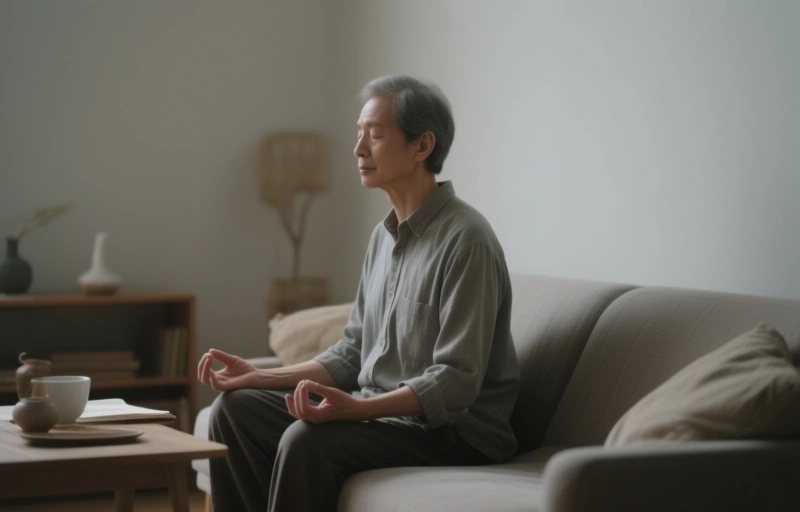
When people hear the term "sobriety," they often assume it's just about stopping an addictive behavior. But as recovery coach Stephanie Hazard observes, sobriety is a practice that extends to every area of our lives, including our emotions—and can hold the key to long-term healing.
When people hear the term "sobriety," they often assume it's just about stopping an addictive behavior. But as recovery coach Stephanie Hazard observes, sobriety is a practice that extends to every area of our lives, including our emotions—and can hold the key to long-term healing.
You've probably heard the phrase "dry drunk" before. It describes someone who's stopped using substances but hasn't dealt with the underlying emotional turmoil. That's where emotional sobriety comes in. It's about learning to ride the waves of your feelings without numbing out or acting out.
### What Is Emotional Sobriety?
Emotional sobriety means being able to feel your feelings fully, without letting them control you. You don't run away from sadness, anger, or fear. You also don't cling to happiness like it's a lifeline. Instead, you find a steady place inside yourself where emotions come and go, but you stay anchored.
Recovery coach Stephanie Hazard puts it simply: "Sobriety isn't just about what you stop doing. It's about how you start living." And that shift in perspective changes everything.

### How Mindfulness Changes the Game
Mindfulness is the practice of paying attention to the present moment without judgment. Sounds simple, right? But when you're in recovery, your brain has been wired to react automatically. A stressful thought pops up, and your old pattern says: drink, use, or escape.
Mindfulness interrupts that pattern. Here's how it works:
- **You notice the urge** before it turns into action. That split second of awareness gives you a choice.
- **You breathe into the feeling** instead of pushing it away. This teaches your nervous system that discomfort isn't dangerous.
- **You learn to observe thoughts** like clouds passing in the sky. You don't have to believe every story your mind tells you.
### Practical Mindfulness Exercises for Recovery
You don't need to sit on a cushion for an hour. Start small. Try these:
**The 3-Minute Breathing Space**
- Minute 1: Notice what's happening in your body and mind. Just name it: "Tension in my shoulders. Racing thoughts about work."
- Minute 2: Bring your attention to your breath. Feel the air moving in and out.
- Minute 3: Expand your awareness to your whole body. Let your breath be the anchor.
**The RAIN Technique**
- Recognize what's happening
- Allow it to be there
- Investigate with kindness
- Nurture yourself
These aren't about fixing anything. They're about being with what's true, right now.
### Why Emotional Sobriety Matters for Long-Term Healing
Here's the thing: addiction often starts as an attempt to manage unbearable feelings. When you learn to sit with those feelings instead of running from them, you break the cycle. You stop needing a substance to regulate your emotions.
Emotional sobriety gives you:
- **Stability** in relationships because you're not reacting from old wounds
- **Resilience** when life throws curveballs
- **Freedom** from the constant battle with your own mind
Think of it like this: if sobriety is the foundation, then emotional sobriety is the walls and roof. Without it, you're exposed to the elements.
### Bringing It All Together
Mindfulness and emotional sobriety aren't quick fixes. They're skills you build over time. Some days you'll nail it. Other days you'll feel like you're back at square one. That's okay. The practice itself is the point.
As Stephanie Hazard reminds us, "Recovery isn't about perfection. It's about showing up for yourself, again and again."
So take a breath. Notice where you are right now. That's where it all begins.