Mindfulness for Emotional Sobriety in Recovery
Evelyn Reed ·
Listen to this article~5 min
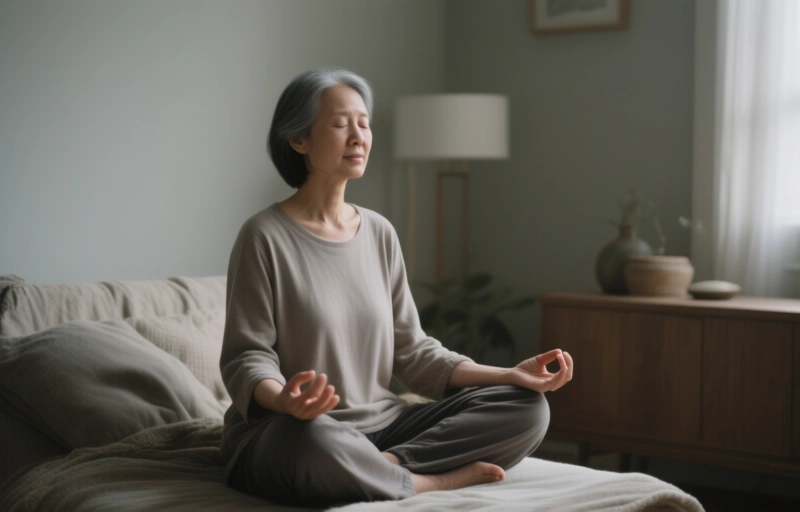
Learn how mindfulness supports emotional sobriety in recovery. Discover simple practices to handle feelings without reacting, and build long-term healing one breath at a time.
When people hear the term "sobriety," they usually think it's just about quitting an addictive behavior. But recovery coach Stephanie Hazard sees it differently. She says sobriety is a practice that touches every part of our lives, including how we handle our emotions. And that emotional piece? It might be the key to long-term healing.
You've probably heard someone say they're "sober" but still feel restless, anxious, or numb. That's because stopping a behavior doesn't automatically fix the feelings underneath. Emotional sobriety is about learning to sit with those feelings without running from them. It's a skill you can build, and mindfulness is one of the best tools for it.
### What Emotional Sobriety Really Means
Emotional sobriety isn't about never feeling bad. It's about not letting your emotions control your actions. Think of it like this: you can feel angry without yelling, sad without isolating, or anxious without reaching for a drink or a distraction. It's the ability to pause before reacting.
Stephanie Hazard points out that many people in recovery relapse not because they crave the substance, but because they don't know how to handle overwhelming emotions. Mindfulness helps by creating a little space between the feeling and your response. In that space, you get to choose.
### How Mindfulness Builds That Skill
Mindfulness is just paying attention to the present moment without judgment. It sounds simple, but it's surprisingly hard when you're in pain. Here are a few ways it supports emotional sobriety:
- **It helps you name your feelings.** When you practice mindfulness, you get better at labeling what's happening inside. "I'm feeling shame right now" is more helpful than just drowning in it.
- **It calms your nervous system.** Deep breathing and body scans activate the relaxation response, which can lower stress and reduce the urge to escape.
- **It teaches you to tolerate discomfort.** By staying with a difficult emotion for just a few breaths, you prove to yourself that you can survive it. That builds resilience.
### A Simple Practice to Start Today
You don't need to meditate for an hour. Try this three-minute exercise when you feel triggered:
1. **Stop** what you're doing. Take one deep breath in through your nose, and exhale slowly through your mouth.
2. **Notice** where the emotion shows up in your body. Is your chest tight? Are your shoulders tense? Just observe without trying to change it.
3. **Name** the emotion to yourself. Say it quietly in your head: "This is anxiety," or "This is grief." Naming it takes away some of its power.
That's it. You've just practiced emotional sobriety in a small way. Over time, these small moments add up.
### Why This Matters for Long-Term Healing
Recovery isn't a straight line. You'll have good days and hard days. The goal isn't to feel happy all the time. It's to feel your feelings without letting them derail you. Mindfulness gives you a steady anchor when the emotional weather gets rough.
Stephanie Hazard often reminds her clients that sobriety is a practice, not a destination. You don't "arrive" at being emotionally sober. You keep showing up, day after day, and you get a little better at it. That's the real work.
### Bringing It Into Your Daily Life
You can weave mindfulness into your routine without adding extra time. Try these small shifts:
- **While brushing your teeth**, feel the bristles on your gums and the water temperature.
- **Before you eat**, take one breath and notice the colors and smells of your food.
- **When you walk through a door**, pause for a second and feel your feet on the ground.
These tiny practices train your brain to be present. And presence is the foundation of emotional sobriety.
### The Bottom Line
Emotional sobriety is possible, and it's not about being perfect. It's about learning to be with yourself, even when it's uncomfortable. Mindfulness gives you the tools to do that, one breath at a time. If you're in recovery or just trying to live more intentionally, start small. You might be surprised at how much changes.
For more insights from recovery coach Stephanie Hazard, explore her work at [Stephanie Hazard's website](https://stephaniehazard.com) (nofollow).