Mindfulness and Hypnosis: Navigating Chronic Illness
Evelyn Reed ·
Listen to this article~4 min
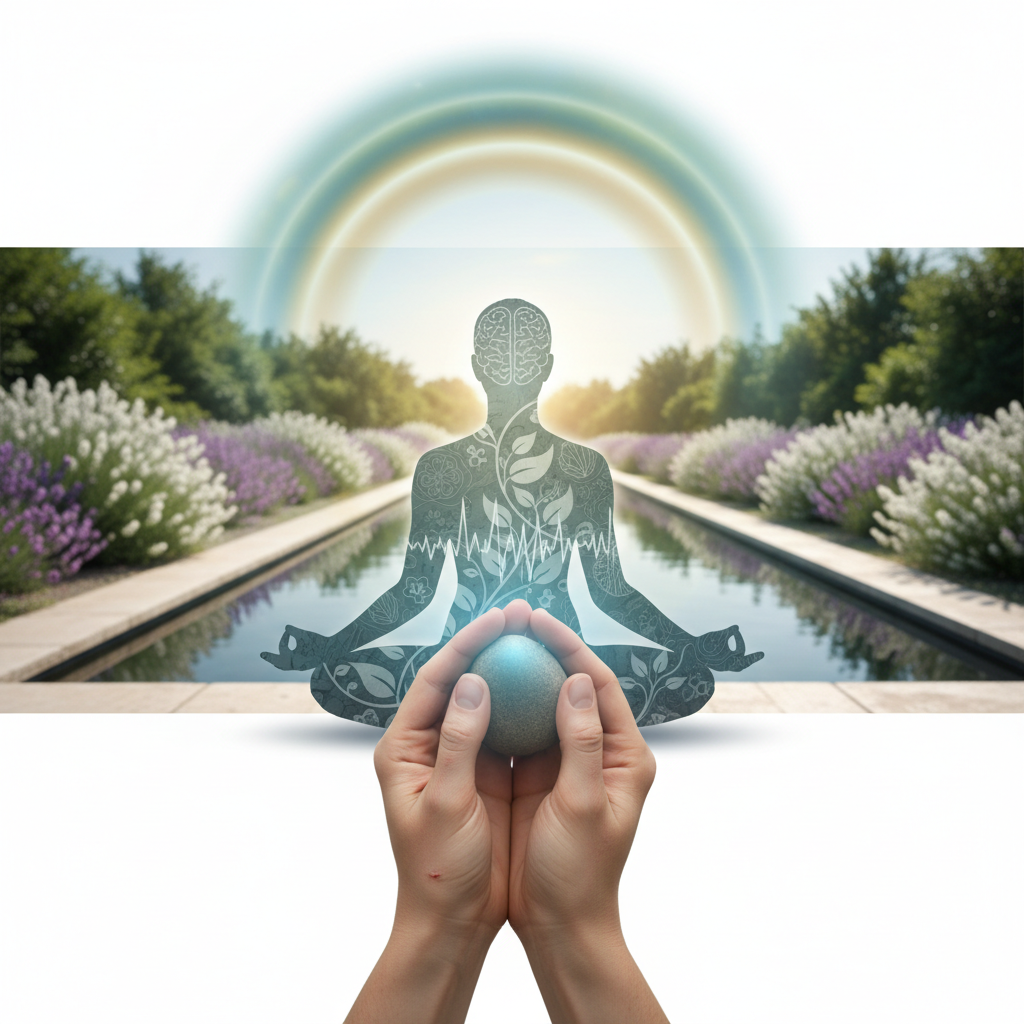
Mindfulness teacher and hypnotherapist Juliana Sloane shares her journey with an unexpected complex medical condition—and what shifted when she had to lean into the very skills she offers her clients. A story of resilience and practical tools.
When life throws you a curveball, even the most seasoned mindfulness teacher can feel the ground shift beneath their feet. Juliana Sloane knows this firsthand. She's a mindfulness teacher and hypnotherapist who has spent years guiding others toward calm and clarity. But then she faced an unexpected complex medical condition, and everything changed.
Suddenly, she had to lean into the very tools she offers her clients—and she discovered something profound. This isn't just a story about illness; it's about resilience, self-compassion, and the power of the mind to help us through the hardest times.
### The Unexpected Diagnosis
Juliana's journey began with symptoms that seemed to come out of nowhere. Fatigue, pain, and confusion became her new normal. Doctors were puzzled, and the diagnosis was slow to arrive. It's a familiar story for many living with chronic illness: the waiting, the uncertainty, the feeling of being lost in a maze.
But Juliana had an advantage. She had spent years studying mindfulness and hypnosis. She knew how to calm her nervous system and reframe her thoughts. Still, theory is different from practice. When you're the one in pain, it's easy to forget the lessons you've taught a hundred times.
### Leaning Into Mindfulness
Mindfulness became Juliana's anchor. She started with simple practices: focusing on her breath for just a few minutes a day. Not to escape the pain, but to be with it without judgment. This shift was subtle but powerful. Instead of fighting her body, she began to listen.
Here's what she learned:
- **Acceptance isn't giving up.** It's acknowledging reality so you can respond wisely.
- **Small moments matter.** Even 60 seconds of mindful breathing can reset your day.
- **Self-compassion is key.** Being kind to yourself when you're struggling is not weakness—it's strength.
### The Role of Hypnosis
Hypnosis took Juliana's practice deeper. She used self-hypnosis to manage pain and reduce anxiety. The technique involves guided relaxation and focused attention, which can help rewire how the brain processes discomfort.
"It's like giving your mind a gentle nudge toward healing," she explains. "You're not erasing the illness, but you're changing your relationship with it."
For professionals working with clients who have chronic conditions, this dual approach can be transformative. Mindfulness builds awareness; hypnosis creates change. Together, they offer a path forward when medicine alone falls short.
### Practical Tools for Your Toolbox
If you're supporting someone with chronic illness—or navigating it yourself—here are three actionable strategies inspired by Juliana's journey:
- **Start with the breath.** Inhale for 4 counts, hold for 4, exhale for 6. Do this for 2 minutes. It calms the nervous system instantly.
- **Use visualization.** Imagine a warm, healing light flowing to areas of pain. Pair this with slow breathing for a mini hypnosis session.
- **Practice the "pause."** Before reacting to a flare-up, take 3 deep breaths. This creates space between stimulus and response.
### Real Talk: It's Not Always Easy
Let's be honest: chronic illness is exhausting. There are days when mindfulness feels impossible, and hypnosis seems like a distant dream. Juliana admits she has those days too. But she's learned that progress isn't linear. Some days, just getting out of bed is a victory.
"The goal isn't perfection," she says. "It's showing up for yourself, again and again, with kindness."
This is a powerful message for anyone in the mindfulness field. Our own struggles don't make us less effective—they make us more human. And that humanity is what connects us to our clients.
### Bringing It All Together
Juliana's story reminds us that mindfulness and hypnosis are not just tools for the healthy. They are lifelines for those facing the hardest challenges. By embracing these practices, we can find meaning and strength even in the midst of suffering.
Whether you're a professional or someone living with chronic illness, take a page from Juliana's book. Lean into the discomfort. Breathe through the pain. And remember: you have more power than you think.