Mindfulness and Hypnosis for Chronic Illness Relief
Amanda Wilson ·
Listen to this article~4 min
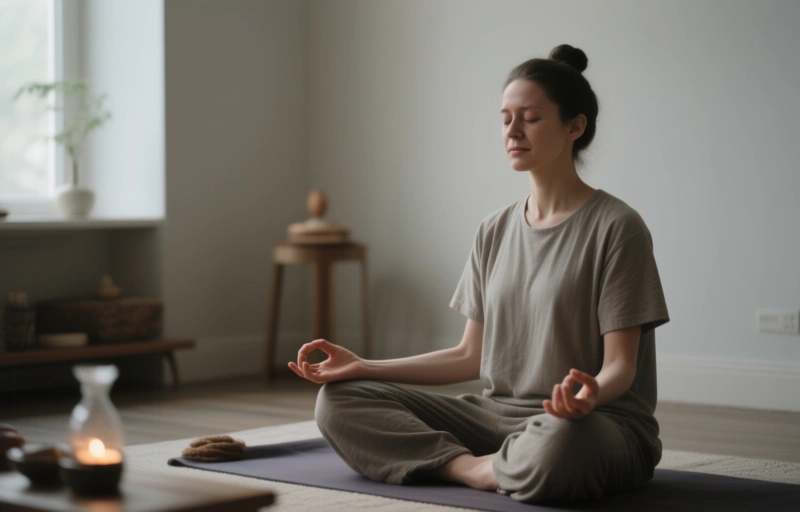
Mindfulness teacher and hypnotherapist Juliana Sloane shares her journey with an unexpected complex medical condition and what shifted when she had to lean even more deeply into the very skills she offers her clients.
Living with a chronic illness can feel like navigating a storm without a compass. But what if the tools you need are already within you? Mindfulness teacher and hypnotherapist Juliana Sloane found this out the hard way. After being diagnosed with an unexpected complex medical condition, she had to lean into the very skills she teaches her clients. Her story is a powerful reminder that even experts must practice what they preach.
### The Unexpected Teacher: Chronic Illness
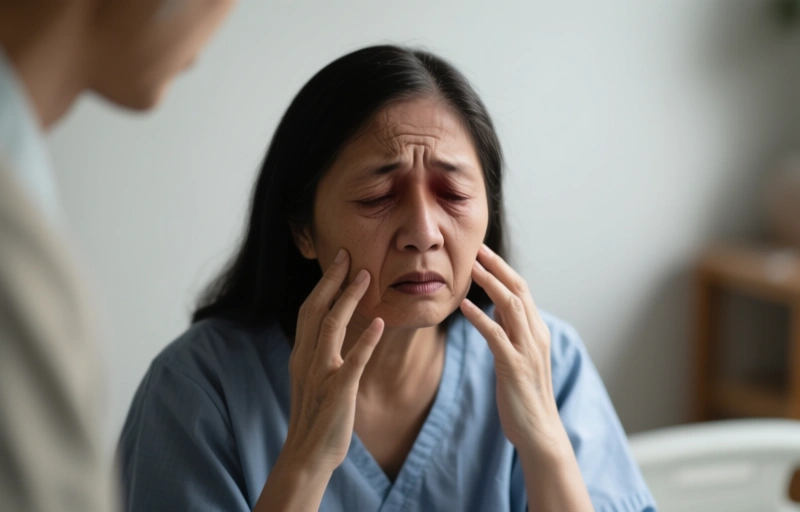
Juliana's journey began when her body started sending signals she couldn't ignore. Fatigue, pain, and uncertainty became her new reality. As someone who helps others find calm, she suddenly had to apply those same principles to her own life. It wasn't easy. But it was transformative.
Chronic illness often strips away control. You can't plan your energy levels. You can't predict a good day from a bad one. But mindfulness offers a way to stay present with what is, without fighting it. Juliana learned to stop resisting her body's limits and start listening to them. That shift changed everything.
### How Hypnosis Complements Mindfulness
Hypnosis might sound like stage tricks, but it's a serious therapeutic tool. It helps access the subconscious mind, where deep-seated beliefs and habits live. For Juliana, combining hypnosis with mindfulness created a powerful duo. While mindfulness kept her grounded in the present, hypnosis allowed her to reframe her relationship with pain and fear.
- **Mindfulness** helps you notice thoughts without judgment.
- **Hypnosis** helps you reprogram those thoughts to reduce suffering.
Together, they form a toolkit for resilience. Juliana found that hypnosis could ease her anxiety about flare-ups, while mindfulness helped her stay calm when they happened. It's like having both a map and a compass.
### Practical Steps for Your Own Journey
You don't need a chronic illness to benefit from these techniques. Anyone dealing with stress, anxiety, or just the chaos of daily life can try them. Start small. Here are a few simple practices inspired by Juliana's story:
- **Set a daily mindfulness timer.** Sit for just 3 minutes. Focus on your breath. When your mind wanders, gently bring it back.
- **Use self-hypnosis before bed.** Repeat a calming phrase like "I am safe" as you drift off. This plants a seed in your subconscious.
- **Journal about your body.** Write down one thing your body did for you today. Gratitude shifts perspective.
These steps won't cure an illness, but they can change how you experience it. And that makes a world of difference.
### Why This Matters for Professionals
For mindfulness and well-being professionals in the United States, Juliana's story is a case study in authenticity. Clients can tell when you're speaking from experience versus just reciting techniques. When you share your own struggles, you build trust. And trust is the foundation of any healing relationship.
Consider this: if you're helping others navigate chronic illness, you need to understand the terrain. That doesn't mean you have to get sick. But it does mean you should practice what you teach. Your own mindfulness practice isn't just for you. It's the fuel for your work.
### Final Thoughts
Juliana Sloane's journey reminds us that the tools we offer others are also for us. Mindfulness and hypnosis aren't just professional skills. They're lifelines. Whether you're a seasoned teacher or just starting out, lean into these practices. Your body and mind will thank you.
If you're dealing with chronic illness, know that you're not alone. The path is hard, but you have resources. Start with one breath. One moment. One small shift. That's where change begins.