Mindfulness and Hypnosis for Chronic Illness Relief
Amanda Wilson ·
Listen to this article~4 min
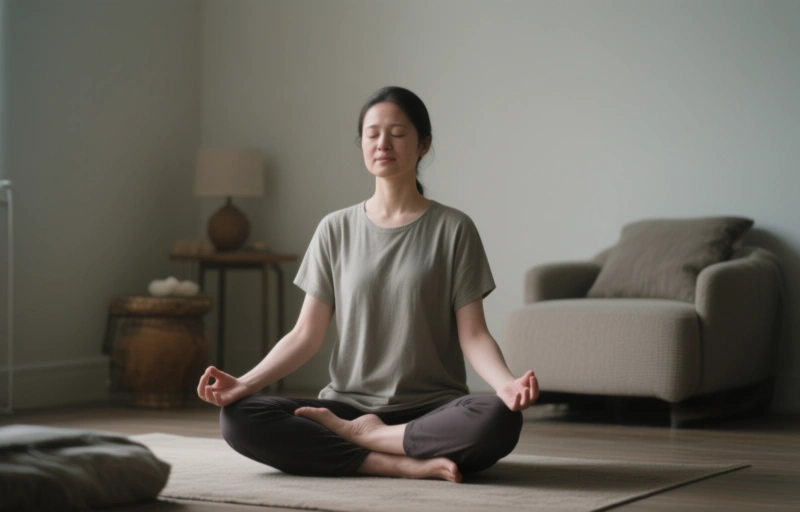
Mindfulness teacher Juliana Sloane shares her journey with an unexpected chronic illness and how she used her own tools to find peace. A story of resilience, small shifts, and self-compassion.
Living with a chronic illness can feel like you're navigating a storm without a compass. But what if the tools you need are already within reach? Mindfulness teacher and hypnotherapist Juliana Sloane found this out the hard way when she faced an unexpected complex medical condition. Her story isn't just about surviving—it's about leaning into the very practices she teaches others.
### The Unexpected Teacher
Juliana Sloane has spent years guiding clients through mindfulness and hypnosis. She knows the science behind these practices cold. But when a sudden diagnosis hit her, everything changed. Suddenly, she wasn't just the expert—she was the student. Her journey shows that even the most seasoned practitioners can find new depths in their own methods when life throws a curveball.
Here's the thing: chronic illness doesn't just affect your body. It messes with your mind, your emotions, and your sense of self. You might feel isolated, scared, or just plain exhausted. Juliana's experience reminds us that these feelings are normal. The key is not to fight them but to meet them with curiosity and compassion.
### Practical Tools You Can Use Today
So what can you actually do when you're in the thick of it? Juliana suggests starting small. Here are a few techniques she used herself:
- **Breath awareness:** Take three slow breaths, focusing only on the sensation of air moving in and out. This simple act can calm your nervous system in under a minute.
- **Body scanning:** Lie down and mentally scan from your toes to your head. Notice any tension without trying to fix it. Just observe.
- **Self-hypnosis:** Use a gentle, repetitive phrase like "I am safe" or "This too shall pass." Repeat it quietly to yourself during moments of high stress.
These aren't magic cures. But they give you a foothold when everything feels overwhelming. And over time, they build resilience.
### Why This Matters for Professionals
If you're a mindfulness or well-being professional, Juliana's story hits close to home. You spend your days helping others find peace. But when your own health crumbles, it's easy to feel like a fraud. Here's the truth: you don't have to be perfect. Your own struggles can actually make you a better guide. They give you real-world empathy and a deeper understanding of what your clients face.
Think about it this way: a yoga teacher who's never fallen out of a pose might not know how to help someone who struggles with balance. The same goes for chronic illness. Your own experience becomes a teaching tool.
### The Power of Small Shifts
One of the most powerful things Juliana discovered was the importance of tiny adjustments. Instead of trying to meditate for 20 minutes, she'd do two minutes. Instead of pushing through pain, she'd pause and breathe. These small shifts added up. They reminded her that healing isn't about grand gestures—it's about showing up for yourself, again and again.
> "I learned that mindfulness isn't about escaping pain. It's about being present with it, without letting it define you." — Juliana Sloane
### Final Thoughts
Chronic illness is tough. There's no way around that. But with mindfulness and hypnosis, you can find moments of calm in the chaos. Juliana's journey proves that these tools aren't just for the healthy—they're for anyone willing to lean in. So whether you're a professional or someone just starting out, give yourself permission to be gentle. You're doing the best you can. And that's more than enough.