Mindfulness and Hypnosis for Chronic Illness Relief
Amanda Wilson ·
Listen to this article~4 min
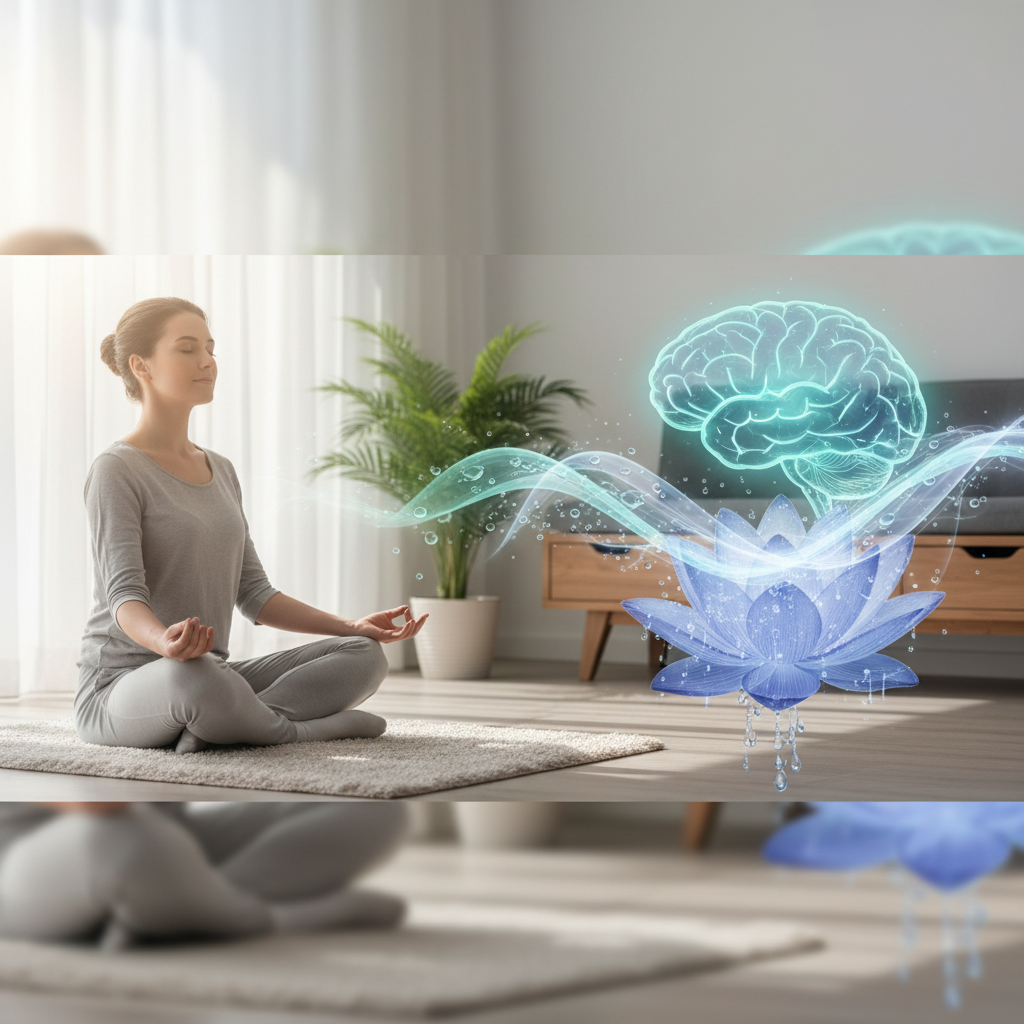
Mindfulness teacher and hypnotherapist Juliana Sloane shares how her own chronic illness journey deepened her practice, offering tools for navigating pain with presence and peace.
When life throws you a curveball, even the most seasoned wellness expert can feel blindsided. That's exactly what happened to mindfulness teacher and hypnotherapist Juliana Sloane. She spent years helping others find calm and clarity, only to face her own unexpected complex medical condition. It forced her to lean deeper into the very skills she teaches—and what she discovered might change how you approach chronic illness too.
### The Unexpected Teacher
Juliana's journey began with a diagnosis that turned her world upside down. She had to navigate a maze of symptoms, doctor visits, and emotional ups and downs. But instead of panicking, she turned inward. "I had to practice what I preached," she says. "Mindfulness became my anchor when everything else felt shaky."
Hypnosis, too, became a crucial tool. It helped her reframe pain and anxiety, shifting her focus from fear to acceptance. This isn't just theory—it's a lived experience that shows how powerful these practices can be when you're in the trenches.
### Why Mindfulness Matters for Chronic Illness
Chronic illness isn't just physical; it's emotional and mental too. Mindfulness helps you stay present without judgment, even when your body feels like it's betraying you. Here's how it helps:
- **Reduces stress**: By focusing on the now, you stop worrying about what might happen next.
- **Manages pain**: Studies show mindfulness can lower pain perception by changing how your brain processes signals.
- **Boosts resilience**: You learn to ride the waves of symptoms without getting swept away.
Juliana found that even five minutes of mindful breathing could reset her entire day. It's not about fixing everything—it's about making space for what is.
### Hypnosis as a Healing Ally
Hypnosis often gets a bad rap, but it's really just deep, focused relaxation. Juliana uses it to access the subconscious mind, where many of our automatic reactions live. For chronic illness, this can mean:
- **Rewiring pain responses**: Your brain can learn to dial down pain signals.
- **Easing anxiety**: Hypnosis calms the fight-or-flight response that flares up with illness.
- **Improving sleep**: Guided sessions can help you drift into restorative rest.
"Think of hypnosis as a gentle reprogramming," Juliana explains. "It's not about control—it's about letting go."
### Practical Steps You Can Try Today
You don't need to be an expert to start. Here are simple ways to bring mindfulness and hypnosis into your life, even when you're struggling:
1. **Start small**: Try a 2-minute breathing exercise. Inhale for 4 counts, hold for 4, exhale for 6.
2. **Use your senses**: Notice one thing you see, hear, and feel right now. It grounds you in the present.
3. **Try self-hypnosis**: Close your eyes, imagine a safe place, and repeat a calming phrase like "I am at peace."
4. **Be consistent**: Even 5 minutes a day can shift your baseline over time.
Juliana recommends keeping a journal to track what works. "Your body knows what it needs," she says. "You just have to listen."
### Letting Go of Perfection
One of the biggest lessons Juliana learned was to release the pressure of "doing it right." Some days, mindfulness feels impossible—and that's okay. "I used to think I had to be a perfect example," she admits. "Now I know that being human is the real teaching."
Chronic illness is a marathon, not a sprint. These tools aren't about curing everything; they're about finding moments of peace in the chaos. Whether you're a professional or someone just starting out, remember: you already have what you need inside you.
### The Takeaway
Juliana's story is a powerful reminder that our greatest teachers often come from our hardest moments. By embracing mindfulness and hypnosis, you can transform how you relate to your body and your life. It's not magic—it's practice. And it starts with one breath.
*This article is based on insights from Juliana Sloane, a mindfulness teacher and hypnotherapist.*