Mindful Tools for Chronic Illness: Hypnosis and Meditation
Evelyn Reed ·
Listen to this article~3 min
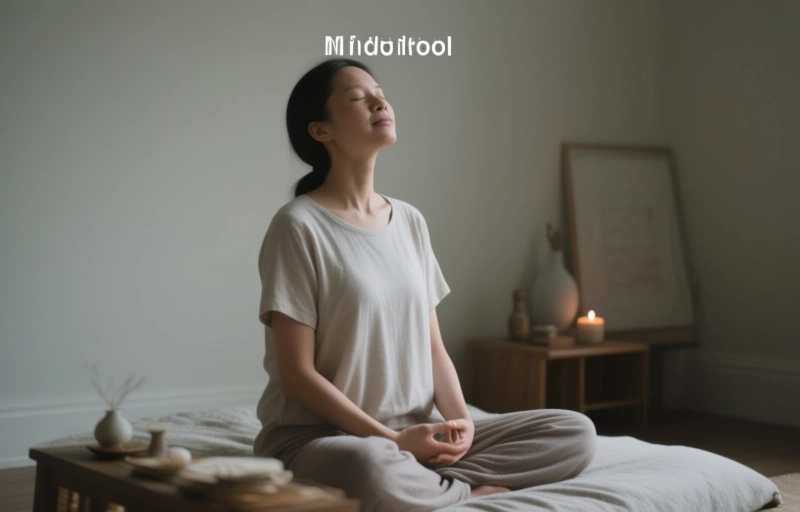
Mindfulness teacher and hypnotherapist Juliana Sloane shares her journey with an unexpected complex medical condition—and what shifted when she had to lean even more deeply into the very skills she offers her clients.
When life throws you a curveball, even the experts have to lean on their own advice. That's exactly what happened to Juliana Sloane, a mindfulness teacher and hypnotherapist who found herself facing an unexpected complex medical condition. Her story isn't just about coping—it's about how the very tools she taught others became her lifeline.
You'd think someone who guides others through meditation and hypnosis would have it all figured out, right? But here's the thing: chronic illness doesn't care about your credentials. It hits hard, and it hits everyone differently. Juliana had to dig deeper than she ever had before, using mindfulness and hypnosis not as abstract concepts but as practical, daily practices to navigate pain, uncertainty, and fear.
### What Mindfulness Really Looks Like in Crisis
Mindfulness isn't about sitting cross-legged on a cushion while humming. It's about being present with what is—even when what is sucks. For Juliana, that meant acknowledging her physical limitations without judgment. She learned to breathe through moments of intense discomfort, focusing on each inhale and exhale rather than spiraling into worry about tomorrow.
Here's the key: mindfulness helps you separate the story from the sensation. The pain might be real, but the panic about it lasting forever? That's just a story your mind tells you. By staying grounded in the present moment, you can reduce the emotional weight of chronic symptoms.
- Notice your breath when pain flares up
- Observe thoughts without getting caught in them
- Return to your body, not your fears

### Hypnosis as a Tool for Healing
Hypnosis often gets a bad rap, but it's really just focused attention with a specific goal. Juliana used self-hypnosis to reframe her relationship with her condition. Instead of fighting against her body, she learned to communicate with it. She'd guide herself into a relaxed state and then plant suggestions for calm, acceptance, and even pain relief.
Think of it like this: your mind is a garden. Mindfulness pulls the weeds (unhelpful thoughts), while hypnosis plants seeds (positive suggestions). Over time, those seeds grow into patterns that support your well-being. It's not about magically curing anything—it's about creating mental space where healing can happen.
> "The body hears everything the mind says." — A reminder that our thoughts shape our physical experience.
### Practical Steps for Your Own Journey
If you're dealing with chronic illness, you don't need to be a hypnotherapist to use these tools. Start small. Try a five-minute mindfulness practice each morning, focusing on your breath. Then, consider a simple self-hypnosis script: close your eyes, take three deep breaths, and repeat a phrase like "I am safe in this moment" or "My body knows how to heal."
Consistency matters more than length. Five minutes every day is better than an hour once a month. And remember, this isn't about perfection. Some days you'll feel great; other days, you'll just be surviving. Both are okay.
Juliana's story shows us that the most powerful tools are often the ones we already have. We just need to remember to use them—especially when life gets hard.