Mindful Recovery: How Emotions Heal With Sobriety
Amanda Wilson ·
Listen to this article~3 min
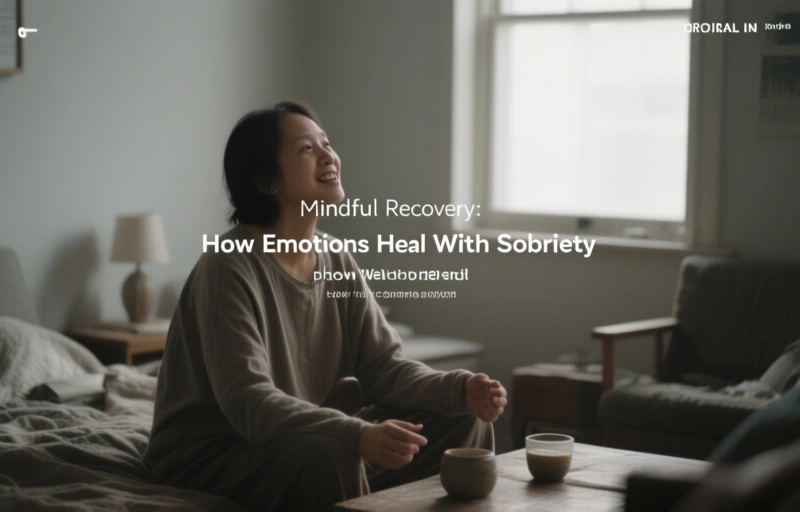
Sobriety isn't just about stopping addictive behaviors. Recovery coach Stephanie Hazard explains how mindfulness supports emotional sobriety and long-term healing.
When people hear the word "sobriety," they usually think it's just about quitting an addictive behavior. But here's the thing—true sobriety goes way deeper than that. Recovery coach Stephanie Hazard points out that sobriety is actually a practice that touches every part of our lives, especially our emotions. And that might be the real key to lasting healing.
### What Emotional Sobriety Really Means
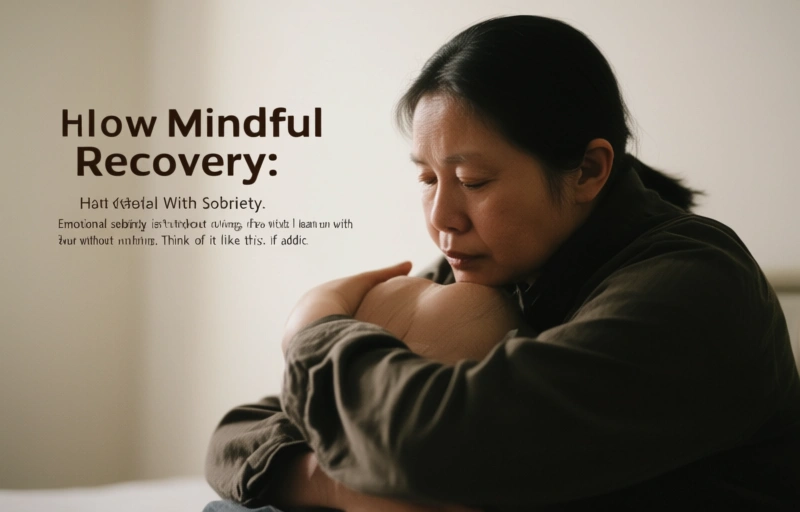
Emotional sobriety isn't about stopping drinking or using. It's about learning to sit with your feelings without numbing them. Think of it like this: if addiction is the storm, emotional sobriety is learning to weather it without running for shelter.
- You feel anger, but you don't explode or shut down.
- You feel sadness, but you don't drown in it.
- You feel joy, but you don't chase it obsessively.
It's about finding a steady center even when life gets messy. And that takes practice—real, daily practice.
### How Mindfulness Fits Into Recovery
Mindfulness is basically paying attention on purpose. It's not about clearing your mind or sitting cross-legged for hours. It's about noticing what's happening right now—your breath, your thoughts, your body—without judging it.
For someone in recovery, this is huge. When cravings hit, mindfulness gives you a pause. Instead of reacting automatically, you can breathe, observe the urge, and choose a different response. It's like building a muscle that helps you stay grounded when everything inside you wants to run.
> "Sobriety isn't just about what you stop doing. It's about what you start feeling." — A recovery coach once said this, and it sticks.
### Practical Ways to Start Mindful Recovery
You don't need fancy tools or apps. Here are simple ways to bring mindfulness into your daily life:
- **Morning check-in:** Before you get out of bed, take three deep breaths. Notice how your body feels. No judgment, just awareness.
- **Pause before reacting:** When something triggers you, count to five before speaking or acting. That little space can change everything.
- **Eat one meal mindfully:** Put down your phone. Taste your food. Chew slowly. It sounds small, but it trains your brain to be present.
- **Walk without a destination:** Go outside and just walk. Feel the ground under your feet. Notice the air on your skin. Let your thoughts come and go.
### Why This Matters for Long-Term Healing
Most people think recovery is about willpower. But willpower runs out. Mindfulness doesn't. It's a skill you can keep building forever.
When you learn to be with your emotions—the hard ones and the good ones—you stop needing substances or behaviors to cope. You start trusting yourself. You realize you can feel pain and still be okay. That's emotional sobriety. And it's the foundation for a life that's not just sober, but truly free.
So if you're in recovery or supporting someone who is, remember: the work isn't just about stopping. It's about starting to feel. And mindfulness is one of the best tools we have for that journey.