Mindful Recovery: How Emotional Sobriety Heals Addiction
Emily Johnson ·
Listen to this article~4 min

Emotional sobriety goes beyond stopping addictive behaviors. Learn how mindfulness helps you sit with feelings, reduce cravings, and build lasting healing in recovery.
When people hear the term "sobriety," they often assume it's just about stopping an addictive behavior. But as recovery coach Stephanie Hazard observes, sobriety is a practice that extends to every area of our lives, including our emotions. And it can hold the key to long-term healing.
You see, addiction isn't just about substances or behaviors. It's often a way to numb uncomfortable feelings. So when you stop the addiction without addressing the underlying emotional patterns, you're only halfway there. That's where emotional sobriety comes in.
### What Is Emotional Sobriety, Really?
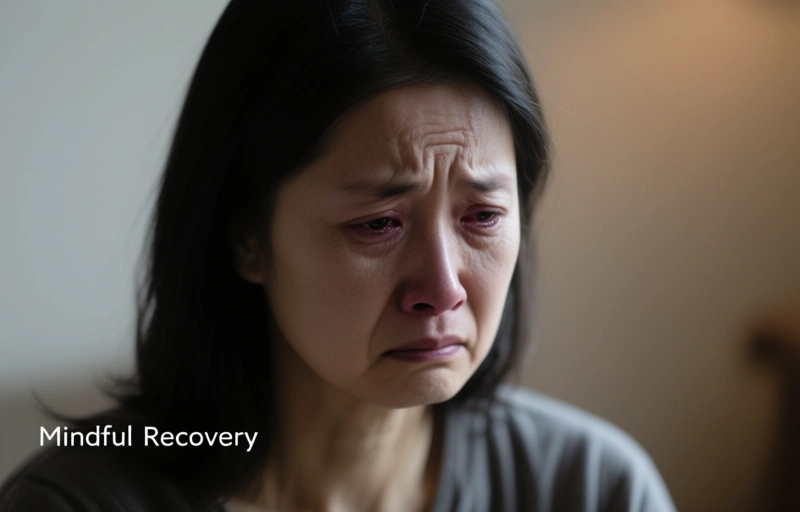
Emotional sobriety means learning to sit with your feelings without running from them. It's about building the inner strength to experience anger, sadness, fear, or joy without reaching for a quick fix. Think of it like this: if addiction is a storm, emotional sobriety is the anchor that keeps you steady.
Hazard explains that this kind of sobriety isn't a destination but a daily practice. You don't just achieve it once and done. You work at it, one moment at a time. And mindfulness is the tool that makes it all possible.
### How Mindfulness Supports Emotional Sobriety
Mindfulness is simply paying attention to the present moment without judgment. When you're in recovery, this skill can be a game changer. Here's why:
- **It helps you notice triggers early.** Instead of reacting automatically, you can pause and choose a healthier response.
- **It reduces the power of cravings.** By observing a craving like a passing cloud, you learn it won't last forever.
- **It builds emotional resilience.** You get better at handling difficult feelings without needing to escape them.
Let me share a quick example. Imagine you're feeling a wave of anxiety. Without mindfulness, you might reach for a drink, a cigarette, or scroll through your phone for hours. With mindfulness, you can simply say, "I notice I'm feeling anxious right now." That small shift creates space. And in that space, you have a choice.
### Practical Steps to Start Today
You don't need to meditate for hours to benefit from mindfulness. Start small. Try these three simple practices:
1. **The 60-Second Pause.** When you feel a strong emotion, stop what you're doing. Take three deep breaths. Notice where you feel the emotion in your body. Is it a knot in your stomach? Tightness in your chest? Just observe without trying to change it.
2. **Label Your Feelings.** Give your emotion a name. "This is frustration." "This is sadness." Naming it helps your brain step back from the intensity.
3. **Practice Gratitude Daily.** Each morning, write down one thing you're grateful for. It rewires your brain to look for the good, even on tough days.
### Why This Matters for Long-Term Healing
Recovery isn't just about stopping an addiction. It's about building a life you don't want to escape from. And that takes emotional work. When you learn to be present with your feelings, you stop needing to numb them. You start living fully, not just surviving.
Hazard puts it perfectly: "Sobriety is a practice that extends to every area of our lives." So whether you're in recovery yourself or supporting someone who is, remember this: mindfulness isn't a luxury. It's a lifeline.
Start today. One breath at a time. One feeling at a time. You've got this.
*Author: Emily Johnson, Mindfulness & Well-being Coach, Ohmag UK Contributor*