Mindful Recovery: Emotional Sobriety Through Mindfulness
Evelyn Reed ·
Listen to this article~5 min
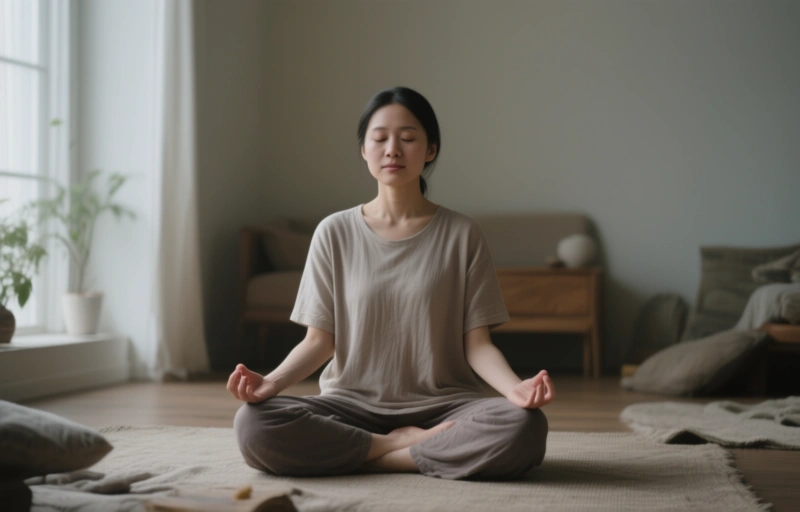
Discover how mindfulness supports emotional sobriety in recovery. Learn practical exercises to handle triggers and build lasting emotional freedom without numbing out.
When people hear the term "sobriety," they often assume it's just about stopping an addictive behavior. But as recovery coach Stephanie Hazard observes, sobriety is a practice that extends to every area of our lives, including our emotions—and can hold the key to long-term healing.
Think about it: you can stop drinking, quit smoking, or put down the gambling habit, but what about the emotional patterns that drove those behaviors in the first place? That's where emotional sobriety comes in. It's the ability to sit with your feelings—the uncomfortable ones, the messy ones—without numbing out or acting on impulse.
### What Is Emotional Sobriety, Really?
Emotional sobriety means you're not using any substance or behavior to escape your inner world. It's about developing a new relationship with your emotions, one where you can feel anger without lashing out, sadness without drowning, and fear without running away. Recovery coach Stephanie Hazard puts it this way: "Sobriety isn't just about what you stop doing; it's about what you start doing with your heart and mind."
For many people in recovery, the hardest part isn't the initial detox—it's the months and years that follow, when old emotional triggers resurface. You might have stopped drinking, but you still feel that knot in your stomach when you're stressed. You might have quit gambling, but the urge to escape still whispers in your ear. That's where mindfulness steps in as a powerful tool.
### How Mindfulness Supports Emotional Sobriety
Mindfulness is the practice of paying attention to the present moment without judgment. When you apply this to your emotions, you create a space between the trigger and your reaction. That space is where freedom lives.
Here are three ways mindfulness helps you build emotional sobriety:
- **It helps you notice without reacting.** When you feel a craving or a surge of anger, mindfulness teaches you to observe it like a cloud passing through the sky. You don't have to grab onto it or push it away. You just watch it, and eventually, it passes.
- **It strengthens your ability to tolerate discomfort.** Emotional sobriety requires sitting with feelings that are uncomfortable. Mindfulness builds your capacity to stay present with that discomfort, even when every fiber of your being wants to escape.
- **It rewires your brain's response to stress.** Studies show that regular mindfulness practice can actually change the structure of your brain, making you less reactive to stress and more resilient in the face of triggers.
### Practical Mindfulness Exercises for Recovery
Ready to put this into practice? Here are a few simple exercises you can start today:
1. **The 3-Breath Reset** – When you feel an emotional trigger, pause and take three slow, deep breaths. Feel the air entering your nostrils and leaving your mouth. This small act can shift your nervous system out of fight-or-flight mode.
2. **The RAIN Technique** – Recognize what's happening, Allow it to be there, Investigate with kindness, and Nurture yourself. This four-step practice from meditation teacher Tara Brach can help you process difficult emotions without getting swept away.
3. **Body Scan Check-Ins** – Close your eyes and mentally scan your body from head to toe. Notice where you're holding tension. Your shoulders might be tight, your jaw clenched, your stomach in knots. Just noticing these sensations can help you release them.
### The Long-Term Benefits of Emotional Sobriety
When you commit to emotional sobriety, you're not just recovering from an addiction—you're building a life where you can handle whatever comes your way. You learn that feelings aren't emergencies. You discover that you can be sad and still function, angry and still be kind, scared and still take action.
Hazard emphasizes that this practice isn't about perfection. "You're going to slip up," she says. "That's part of being human. The key is to notice it, forgive yourself, and come back to the practice."
Mindfulness isn't a quick fix, but it's a reliable companion on the journey to emotional freedom. Whether you're in recovery from addiction or just trying to live a more balanced life, learning to be present with your emotions is one of the most powerful gifts you can give yourself.
### Final Thoughts
Emotional sobriety is the quiet, steady foundation that supports lasting recovery. It's not about never feeling pain again—it's about learning to feel pain without falling apart. And mindfulness, with its gentle focus on the present moment, offers a practical path to get there.
So the next time you feel that familiar urge to escape, take a breath. Notice what's happening inside you. And remember: you don't have to act on every feeling. You just have to be present with it.