Mindful Recovery: Emotional Sobriety Through Mindfulness
Amanda Wilson ·
Listen to this article~5 min
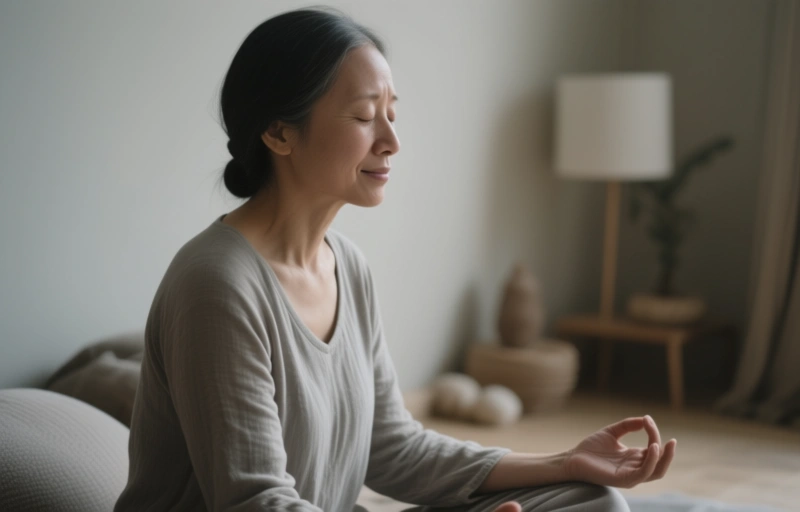
Emotional sobriety extends beyond stopping addictive behaviors. Learn how mindfulness helps you sit with feelings, build resilience, and support long-term healing.
When people hear the term "sobriety," they often assume it's just about stopping an addictive behavior. But as recovery coach Stephanie Hazard observes, sobriety is a practice that extends to every area of our lives, including our emotions—and can hold the key to long-term healing.
### What Is Emotional Sobriety?
Emotional sobriety isn't about giving up a substance or habit. It's about learning to sit with your feelings without letting them drive you back to old patterns. Think of it like this: you've stopped drinking or using, but the emotional triggers that fueled those behaviors are still there. Emotional sobriety means you're no longer a slave to those triggers. You feel anger, sadness, or anxiety, but you don't react by reaching for a drink, a cigarette, or even a shopping spree. You just feel it, let it pass, and move on. It's a skill that takes practice, but it's absolutely learnable.

### How Mindfulness Fits In
Mindfulness is the secret sauce here. It's the practice of paying attention to the present moment without judgment. When you're mindful, you notice what's happening inside you—the tightness in your chest, the urge to escape—without immediately acting on it. This creates a tiny pause between the impulse and the action. And in that pause, you have a choice.
Here's a simple way to start:
- **Pause and breathe.** Take three deep breaths when you feel a craving or a strong emotion. Count each inhale and exhale.
- **Name the feeling.** Say to yourself, "I'm feeling angry" or "This is anxiety." Naming it takes away some of its power.
- **Observe without judging.** Don't label the feeling as "bad" or "wrong." It's just a sensation passing through your body.
This isn't about eliminating difficult emotions. It's about changing your relationship with them. You stop fighting them, and they start to lose their grip.
### The Science Behind the Practice
Research backs this up. Studies show that mindfulness meditation reduces activity in the amygdala, the brain's fear center, while strengthening the prefrontal cortex, which handles decision-making and self-control. Over time, this rewires your brain to react less impulsively. For someone in recovery, that's huge. It means you're not just white-knuckling your way through cravings. You're actually building a new, calmer baseline.
### A Practical Daily Routine
You don't need to sit on a cushion for an hour to get the benefits. Here's a five-minute routine anyone can do:
- **Morning check-in (2 minutes):** Before you get out of bed, take two minutes to scan your body. Notice any tension in your shoulders or jaw. Breathe into those spots.
- **Midday reset (1 minute):** Set a random alarm on your phone. When it goes off, stop what you're doing. Take one deep breath. Ask yourself, "What am I feeling right now?"
- **Evening reflection (2 minutes):** Before sleep, write down one emotion you felt today and how you handled it. No judgment. Just observe.
This isn't about perfection. Some days you'll forget. Some days you'll still react badly. That's okay. The goal is progress, not perfection.
### Why Emotional Sobriety Matters for Long-Term Healing
Addiction often starts as a way to numb pain. If you stop the addictive behavior but never learn to deal with the pain underneath, you're at high risk for relapse. Emotional sobriety addresses the root cause. It teaches you that you can survive discomfort. You can feel lonely without drinking. You can feel angry without lashing out. You can feel scared without running away.
As Stephanie Hazard points out, sobriety isn't just about what you stop doing. It's about what you start doing. You start showing up for your life, even the messy parts. You start building resilience. And you start realizing that you're stronger than you ever knew.
### Final Thoughts
If you're on a recovery journey, mindfulness can be your anchor. It's free, it's always available, and it works. Start small. Be kind to yourself. And remember: every time you pause and breathe instead of reacting, you're building a new, healthier pattern. That's how true emotional sobriety takes root.