Mindful Recovery: Emotional Sobriety Through Mindfulness
Evelyn Reed ·
Listen to this article~4 min
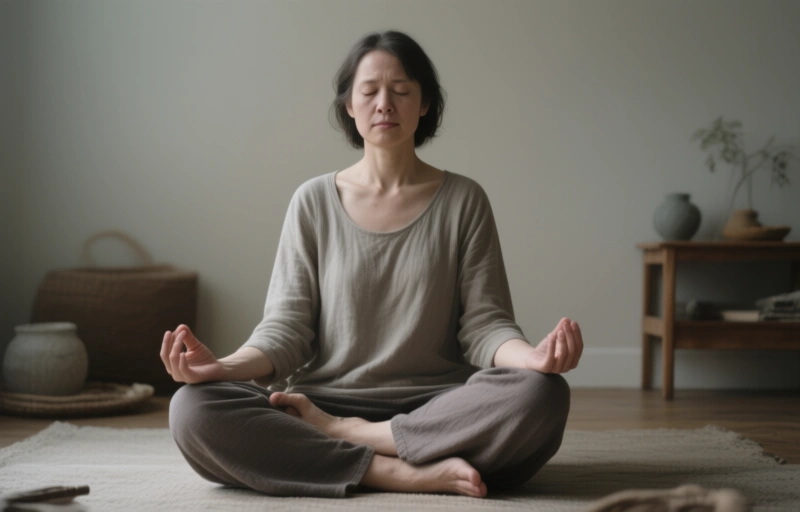
When people hear the term “sobriety,” they often assume it’s just about stopping an addictive behavior. But as recovery coach Stephanie Hazard observes, sobriety is a practice that extends to every area of our lives, including our emotions—and can hold the key to long-term healing.
When people hear the term "sobriety," they often assume it’s just about stopping an addictive behavior. But as recovery coach Stephanie Hazard observes, sobriety is a practice that extends to every area of our lives, including our emotions—and can hold the key to long-term healing.
We tend to think of addiction in narrow terms: alcohol, drugs, gambling. But the truth is, we can become addicted to almost anything that offers temporary relief from discomfort. Emotional patterns, like avoiding difficult feelings or numbing out with distractions, can be just as powerful and destructive.
### What Is Emotional Sobriety?
Emotional sobriety means staying present with your feelings without needing to escape them. It’s about building the inner capacity to experience anger, sadness, fear, or joy without immediately reaching for a coping mechanism. Think of it as learning to sit with the full range of human emotion, even when it feels uncomfortable.
For many people in recovery, this is the hardest part. You can stop drinking or using, but if you haven't learned how to handle your emotions, the risk of relapse stays high. Emotional sobriety closes that gap.

### How Mindfulness Changes the Game
Mindfulness is the practice of paying attention to the present moment without judgment. It’s not about emptying your mind or achieving some perfect state of calm. It’s about noticing what’s happening inside you and around you, and choosing how to respond instead of reacting on autopilot.
When you apply mindfulness to emotional sobriety, you start to see your patterns clearly. You notice when you’re about to reach for a drink, a cigarette, or even your phone to avoid feeling something. And in that moment of noticing, you have a choice.
### Practical Mindfulness Techniques for Recovery
Here are a few ways you can use mindfulness to support emotional sobriety:
- **Pause and breathe:** When a strong emotion hits, pause for three slow breaths. This creates a gap between the trigger and your response.
- **Name the feeling:** Say to yourself, "This is anger," or "This is sadness." Naming emotions reduces their power and helps you stay grounded.
- **Body scan:** Close your eyes and notice where the emotion lives in your body. Is it a tightness in your chest? A knot in your stomach? Just observing it can release some of its grip.
- **Stay curious:** Instead of judging yourself for having a feeling, get curious about it. Ask, "What is this trying to tell me?"
> "Emotional sobriety is not about never feeling bad. It’s about not letting those feelings control your actions." — Stephanie Hazard
### Why This Matters for Long-Term Healing
Recovery isn’t a destination; it’s a daily practice. Emotional sobriety gives you the tools to navigate life’s ups and downs without falling back into old habits. It builds resilience, self-compassion, and a deeper connection to yourself and others.
Mindfulness isn’t a quick fix, but it’s a sustainable one. It rewires your brain over time, making it easier to stay present and make conscious choices. And that’s the foundation of any lasting recovery.
### Start Small, Be Patient
If you’re new to mindfulness, start with just two minutes a day. Sit quietly, focus on your breath, and notice when your mind wanders. That’s it. Over time, you’ll build the muscle of attention, and emotional sobriety will feel more natural.
Remember, you’re not trying to get rid of your emotions. You’re learning to live with them, fully and freely. That’s the real freedom mindfulness offers.