Mindful Recovery: Emotional Sobriety Through Mindfulness
Amanda Wilson ·
Listen to this article~3 min
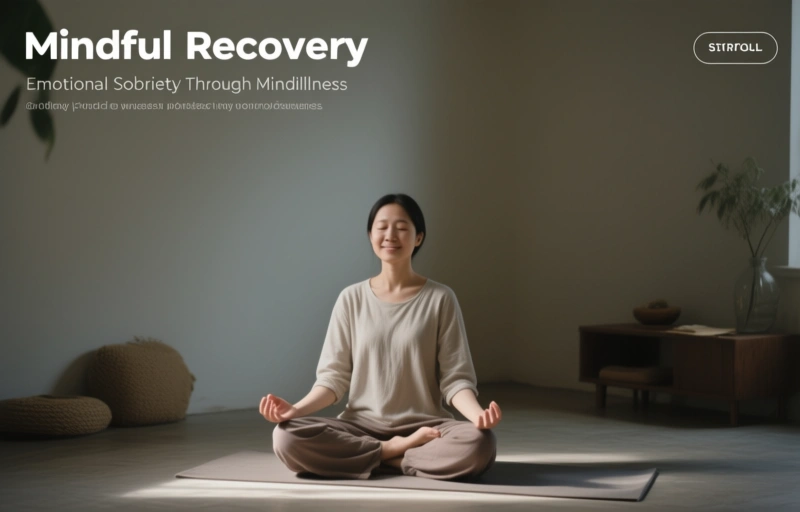
Discover how mindfulness supports emotional sobriety in recovery. Learn to sit with your feelings, build awareness, and find lasting healing without judgment.
When people hear the term "sobriety," they often assume it's just about stopping an addictive behavior. But as recovery coach Stephanie Hazard observes, sobriety is a practice that extends to every area of our lives, including our emotions—and can hold the key to long-term healing.
You see, addiction isn't always about substances. It can show up as compulsive eating, scrolling through social media for hours, or even staying stuck in a toxic relationship. The real challenge isn't just quitting the behavior. It's learning to sit with the feelings that drive it.
### What Is Emotional Sobriety?
Emotional sobriety means being able to experience your emotions without reacting impulsively. It's about staying grounded when life gets messy. Think of it like this: you can stop drinking, but if you still can't handle anger or sadness without reaching for something to numb it, you're not truly free.
Recovery coach Stephanie Hazard puts it simply: "Sobriety is a practice that extends to every area of our lives, including our emotions." She's right. Emotional sobriety is the foundation for lasting change.

### How Mindfulness Helps
Mindfulness is the practice of paying attention to the present moment without judgment. It's not about clearing your mind. It's about noticing what's there—the tightness in your chest, the urge to check your phone, the craving for a drink—and choosing how to respond.
Here's how mindfulness supports emotional sobriety:
- **It builds awareness.** You start to notice triggers before they spiral. That knot in your stomach? That's a signal, not a command.
- **It creates a pause.** Instead of reacting automatically, you give yourself a moment to breathe. That pause is where freedom lives.
- **It reduces shame.** When you observe your thoughts without judging them, you stop beating yourself up for having them. Shame fuels addiction. Self-compassion heals it.
- **It strengthens resilience.** Over time, mindfulness rewires your brain. You become better at handling stress without needing an escape.
### Practical Steps You Can Take Today
You don't need to meditate for hours to see results. Start small. Try these simple practices:
1. **Three mindful breaths.** When you feel an urge rising, pause and take three slow breaths. Feel the air move in and out. That's enough to shift your state.
2. **Name the feeling.** Say it out loud or in your head: "I'm feeling anxious right now." Naming it takes away some of its power.
3. **Body scan.** Close your eyes and mentally scan your body from head to toe. Notice any tension. Breathe into those spots.
4. **Journal for five minutes.** Write down what you're feeling without editing. Just let it flow.
### The Bigger Picture
Recovery isn't a straight line. You'll have good days and hard days. But mindfulness gives you a tool you can use anytime, anywhere. It's not about being perfect. It's about being present.
As Hazard notes, emotional sobriety is the key to long-term healing. And the best part? You can start right now, exactly where you are.