Mindful Recovery: Emotional Sobriety Through Meditation
Evelyn Reed ·
Listen to this article~3 min
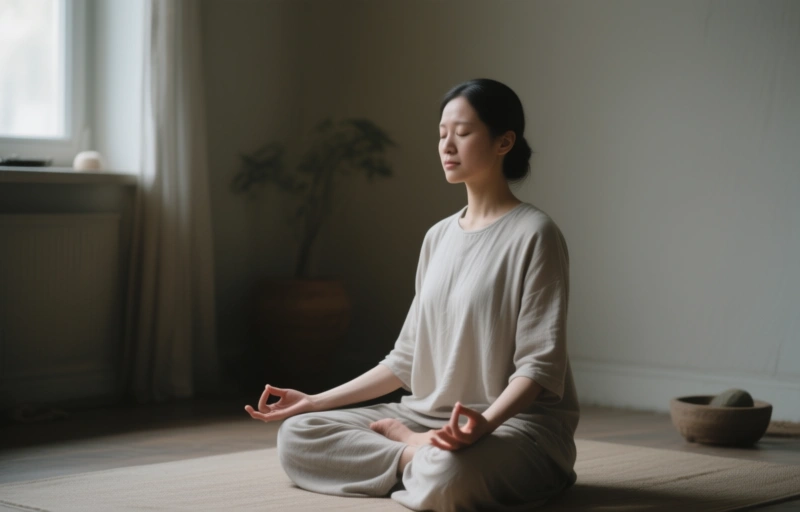
When people hear the term "sobriety," they often assume it's just about stopping an addictive behavior. But it extends to our emotions and can hold the key to long-term healing through mindfulness.
When people hear the term "sobriety," they often assume it's just about stopping an addictive behavior. But as recovery coach Stephanie Hazard observes, sobriety is a practice that extends to every area of our lives, including our emotions—and can hold the key to long-term healing.
### What Is Emotional Sobriety?
Emotional sobriety means learning to sit with your feelings without numbing or running from them. It's not just about quitting a substance or habit. It's about building a new relationship with yourself—one where you can feel anger, sadness, or fear without reaching for a crutch.
Think of it like this: if stopping a behavior is like putting out a fire, emotional sobriety is about making sure the fire doesn't start again. You're not just removing the symptom; you're addressing the root cause.
### Why Mindfulness Matters
Mindfulness is the secret weapon here. It trains you to notice your thoughts and emotions without judgment. Instead of reacting on autopilot, you create a tiny pause—a moment of choice.
- **You learn to observe:** Instead of "I'm angry," it becomes "I notice anger is present."
- **You build resilience:** Over time, you stop fearing your own feelings.
- **You break the cycle:** Mindfulness interrupts the habit loop that keeps addiction alive.
Recovery isn't linear. Some days you'll feel strong; other days, you'll feel like you're back at square one. That's okay. Mindfulness helps you hold both experiences without letting either define you.
### Practical Steps to Start Today
You don't need to meditate for hours. Start small.
1. **Take three deep breaths** before reacting to a stressful email or conversation.
2. **Label your emotions** out loud: "This is anxiety. This is sadness." It sounds simple, but it rewires your brain.
3. **Walk mindfully** for five minutes. Feel your feet on the ground. Notice the air on your skin.
These tiny practices add up. They create space between you and your impulses—and that space is where freedom lives.
### The Long Game
Stephanie Hazard puts it perfectly: sobriety isn't a destination. It's a daily practice. Emotional sobriety means you're willing to feel everything—the good, the bad, and the messy—without checking out.
And here's the beautiful part: the more you practice, the easier it gets. You start to trust yourself. You realize that feelings pass. You don't have to fix everything; you just have to show up.
### A Gentle Reminder
If you're in recovery or just trying to live more mindfully, give yourself grace. This work is hard. But every time you pause and breathe, you're building a stronger foundation.
You're not alone in this. Millions of people are walking the same path, one mindful breath at a time.