Mindful Path to Emotional Sobriety in Recovery
Emily Johnson ·
Listen to this article~4 min
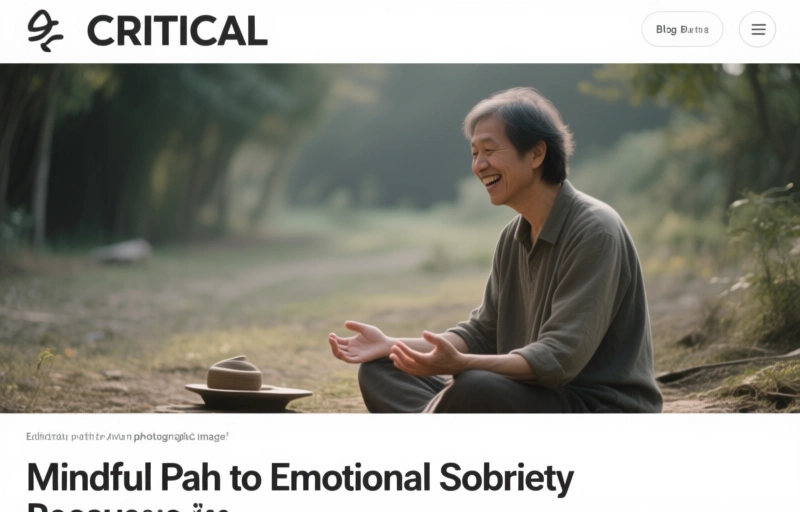
Emotional sobriety goes beyond quitting addiction. Learn how mindfulness helps you handle feelings, build self-awareness, and find lasting healing in recovery.
When people hear the term "sobriety," they usually think it's just about quitting an addiction. But recovery coach Stephanie Hazard points out that sobriety goes way beyond that. It touches every part of our lives, especially our emotions—and it might be the secret to lasting healing.
Emotional sobriety means learning to handle your feelings without turning to old habits. It's about staying balanced even when life gets messy. And mindfulness is one of the best tools to get there.
### What Is Emotional Sobriety?
Emotional sobriety isn't about being happy all the time. It's about being able to feel your emotions without being controlled by them. Think of it like this: instead of reacting instantly when anger or sadness hits, you pause, breathe, and choose how to respond. That pause is everything.
For someone in recovery, emotional ups and downs can be a huge trigger. Stress, loneliness, or even excitement might make you want to fall back into old patterns. Emotional sobriety gives you a new way to cope. It's like building a muscle—the more you practice, the stronger it gets.

### How Mindfulness Helps You Stay Steady
Mindfulness is simply paying attention to the present moment without judgment. It sounds simple, but it's powerful. When you're mindful, you notice what's happening inside you—thoughts, feelings, physical sensations—without immediately acting on them.
Here are a few ways mindfulness supports emotional sobriety:
- **Pause before reacting.** When a strong emotion comes up, mindfulness helps you take a breath instead of acting impulsively.
- **Accept feelings without shame.** You learn that it's okay to feel angry or sad. You don't have to fix or escape every uncomfortable emotion.
- **Build self-awareness.** Over time, you start to see patterns. You know what triggers you and how to handle it.
- **Reduce stress.** Mindfulness lowers cortisol levels, which makes it easier to stay calm during tough moments.
### Simple Mindfulness Practices for Recovery
You don't need to meditate for hours. Even a few minutes a day can make a difference. Try these:
- **Breath counting.** Sit quietly and count each breath. Inhale 1, exhale 2, up to 10. Then start over. This anchors you in the now.
- **Body scan.** Close your eyes and slowly notice each part of your body, from your toes to your head. This helps you connect with physical sensations instead of emotional spirals.
- **Mindful walking.** Walk slowly and pay attention to each step. Feel your feet hitting the ground. Notice the air on your skin. It's a moving meditation.
- **Emotion labeling.** When a feeling hits, say it to yourself silently: "This is anger. This is sadness." Naming it takes away some of its power.
### Why This Matters for Long-Term Healing
Recovery isn't just about stopping a behavior. It's about building a life you don't want to escape from. Emotional sobriety helps you handle real life—the good, the bad, and the boring—without needing a crutch.
Mindfulness gives you a way to stay present with your own experience. It teaches you that you can survive difficult feelings. And that builds confidence. Over time, you trust yourself more. You know you can handle whatever comes up.
### Final Thoughts
If you're working on recovery or just want to feel more in control of your emotions, try adding mindfulness to your routine. Start small. Even 5 minutes a day can shift how you relate to your feelings. Remember, it's not about being perfect. It's about showing up for yourself with kindness and curiosity.
Stephanie Hazard's insight reminds us that sobriety is a practice, not a destination. And mindfulness is one of the most compassionate ways to keep practicing.