Mindful Living: Emotional Sobriety in Addiction Recovery
Amanda Wilson ·
Listen to this article~4 min
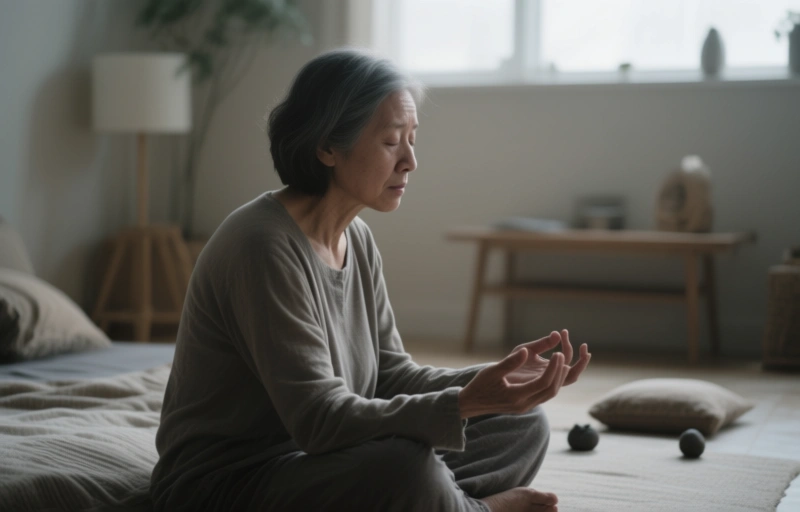
Sobriety isn't just about stopping addictive behaviors—it's about emotional balance. Learn how mindfulness supports emotional sobriety and long-term healing in recovery.
When most people hear the word "sobriety," they picture someone quitting alcohol or drugs. And sure, that's part of it. But here's the thing: real sobriety goes way deeper than just stopping a behavior. It's about how we handle our emotions, too. Recovery coach Stephanie Hazard nails it when she says sobriety touches every corner of our lives—especially our feelings. And that, right there, is the secret to lasting healing.
You see, emotional sobriety is the practice of staying grounded when life throws curveballs. It's not about avoiding pain or pretending everything's fine. It's about sitting with your feelings, understanding them, and not letting them drive you back into old habits. For mindful living professionals, this is where the magic happens.
### What Emotional Sobriety Really Means
Think of emotional sobriety as the ability to ride the waves of your emotions without wiping out. It's like learning to surf: you can't control the ocean, but you can learn to balance on the board. When you're emotionally sober, you don't react on autopilot. You pause. You breathe. You choose your response.
Here are a few signs you're practicing emotional sobriety:
- You feel anger without lashing out.
- You experience sadness without spiraling into despair.
- You notice cravings or urges without acting on them.
- You can sit with discomfort and let it pass.
It's not easy, but it's doable. And mindfulness is your best tool for getting there.

### How Mindfulness Builds Emotional Resilience
Mindfulness is basically the art of paying attention to the present moment without judgment. When you're recovering from addiction—or just trying to live a more balanced life—this skill is gold. It helps you catch those tricky emotions before they hijack your brain.
Let's say you're feeling a sudden wave of anxiety. Without mindfulness, you might grab a drink, overeat, or scroll your phone for hours. With mindfulness, you notice the tightness in your chest, the racing thoughts, and you just watch them. You don't have to fix anything. You just breathe. And that simple act can stop a relapse in its tracks.
### Practical Mindfulness Practices for Emotional Sobriety
Here are three simple techniques you can start using today:
**1. The One-Minute Pause**
When you feel a strong emotion, stop for 60 seconds. Take three deep breaths. Ask yourself: "What am I feeling right now?" Name it—like "frustration" or "fear." That's it. You're already more in control.
**2. Body Scan for Cravings**
Cravings aren't just mental—they show up in your body. Maybe your shoulders tense up or your stomach knots. Close your eyes and scan from head to toe. Notice where you're holding tension. Breathe into that spot. Often, the craving softens.
**3. Gratitude Check-Ins**
Emotional sobriety isn't just about managing tough feelings—it's also about savoring the good ones. Three times a day, pause and think of one thing you're grateful for. It rewires your brain to look for the positive.
### Why This Matters for Recovery
Here's the bottom line: addiction isn't just about substances or behaviors. It's often about escaping uncomfortable emotions. When you learn to be with those emotions through mindfulness, you break the cycle. You stop running. You start living.
Stephanie Hazard puts it perfectly: sobriety is a practice. It's not a destination. You don't just arrive and stay there. You show up every day, sometimes stumbling, but always learning. And mindfulness gives you the tools to keep showing up, even when it's hard.
### A Final Thought
If you're working in mindful living, you already know that transformation takes time. Emotional sobriety is no different. Be patient with yourself. Celebrate the small wins. And remember: every time you pause and breathe, you're building a stronger foundation for long-term healing.
So next time someone says "sobriety," think beyond the surface. Think about the emotions you're learning to hold. That's where true freedom lives.