Emotional Sobriety: How Mindfulness Heals Addiction Recovery
Emily Johnson ·
Listen to this article~4 min
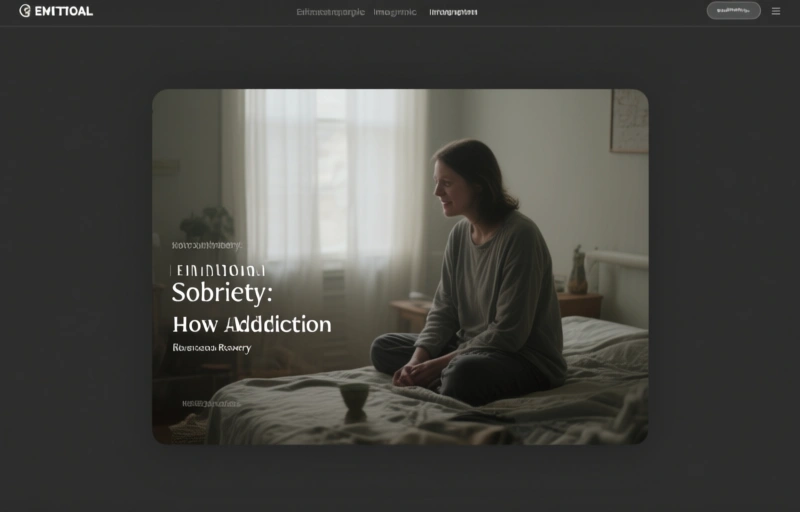
When people hear the term sobriety, they often assume it's just about stopping an addictive behavior. But as recovery coach Stephanie Hazard observes, sobriety extends to every area of our lives, including our emotions, and can hold the key to long-term healing.
When people hear the term "sobriety," they often assume it's just about stopping an addictive behavior. But as recovery coach Stephanie Hazard observes, sobriety is a practice that extends to every area of our lives, including our emotions. And that can hold the key to long-term healing.
You don't have to be in recovery from substance use to benefit from this idea. Emotional sobriety is about learning to sit with your feelings without reacting in ways that hurt you. It's a skill anyone can build.
### What Emotional Sobriety Really Means
Emotional sobriety isn't about never feeling angry, sad, or anxious. It's about not letting those feelings drive your actions in destructive ways. Think of it as the difference between feeling a wave of frustration and immediately snapping at someone versus noticing the frustration, taking a breath, and choosing a calmer response.
Recovery coach Stephanie Hazard puts it simply: sobriety extends to every area of our lives. That includes how we handle stress, disappointment, and even excitement. When you're emotionally sober, you don't need to escape your feelings. You can just be with them.

### How Mindfulness Supports Emotional Sobriety
Mindfulness is the foundation of emotional sobriety. It trains you to observe your thoughts and feelings without judgment. Instead of getting swept up in an emotional storm, you learn to watch it pass.
Here are a few ways mindfulness helps:
- **Pause before reacting.** A simple 10-second breath can stop you from sending that angry text or reaching for a drink.
- **Recognize triggers.** You start to notice patterns. Maybe you crave a cigarette every time your boss criticizes you. Mindfulness helps you see that connection.
- **Build self-compassion.** You stop beating yourself up for having feelings. You treat yourself with the same kindness you'd offer a friend.
### Practical Mindfulness Exercises for Daily Life
You don't need to meditate for hours to get the benefits. Try these short practices throughout your day:
**The 5-4-3-2-1 Grounding Technique**
When you feel overwhelmed, pause and name:
- 5 things you can see
- 4 things you can touch
- 3 things you can hear
- 2 things you can smell
- 1 thing you can taste
This brings you back to the present moment fast.
**Body Scan in 60 Seconds**
Close your eyes and slowly scan from your head down to your feet. Notice any tension in your shoulders, jaw, or hands. Take a deep breath and release that tension as you exhale.
**Mindful Walking**
Take a short walk outside. Focus on the feeling of your feet hitting the ground. Notice the temperature of the air. If your mind wanders, gently bring it back to your steps.
### Why Emotional Sobriety Matters for Long-Term Healing
Recovery isn't just about stopping an addictive behavior. It's about building a life you don't want to escape from. Emotional sobriety helps you handle the ups and downs without turning to old habits.
When you're emotionally sober, you can:
- Maintain healthier relationships because you're not reacting from fear or anger
- Make better decisions because you're not driven by cravings
- Feel more peace because you're not constantly fighting your own emotions
### A Simple Path Forward
You don't have to master mindfulness overnight. Start small. Take one minute each day to just breathe and notice how you feel. Over time, that practice builds a foundation for emotional sobriety.
As Stephanie Hazard suggests, sobriety is a practice that extends to every area of our lives. And with mindfulness, you can bring that practice into your emotions, your relationships, and your daily choices. That's where real healing happens.